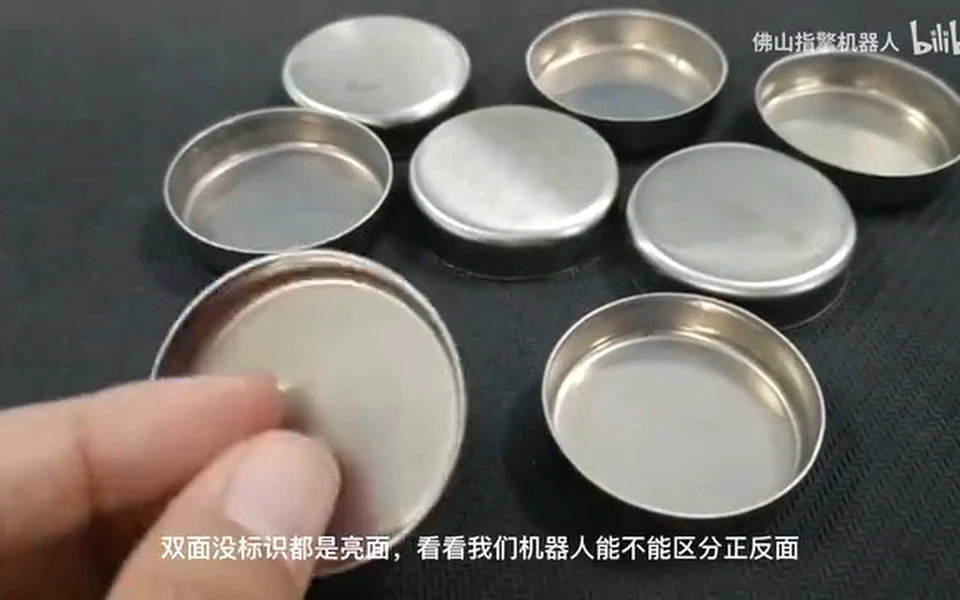
Build reflective-part sorting around stable features, lighting, target validity and suitable handling, with clear limits for Delta and articulated robots.
Key Result 1
Key Result 2
Key Result 3
Metal lids, shallow dishes and stamped discs can share a similar outline while producing very different reflections as they rotate. A highlight may obscure a hole, while a bright rim can appear as an additional contour. Before assigning a robot to sort parts by position or orientation, identify a feature that remains useful across normal production variation.
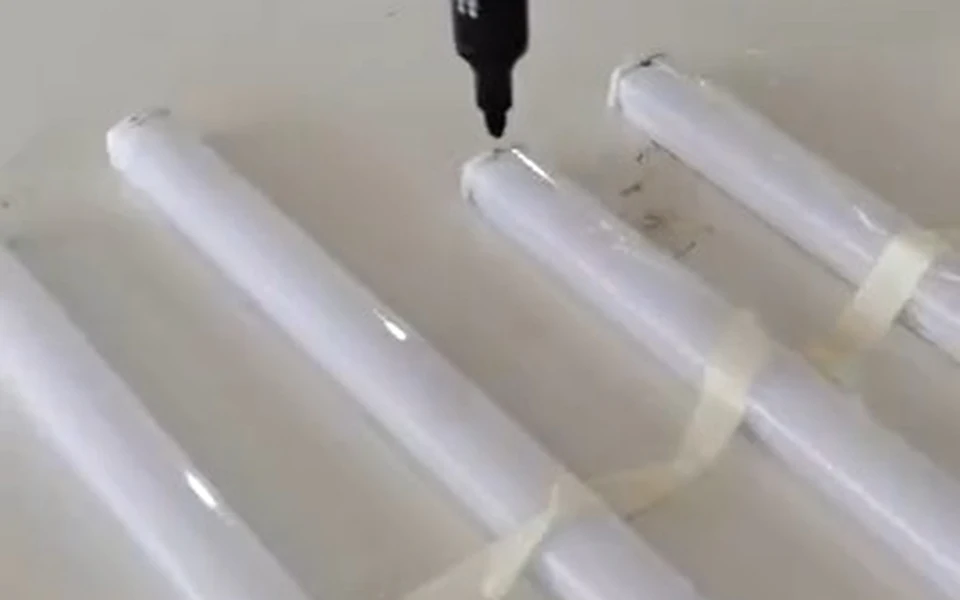
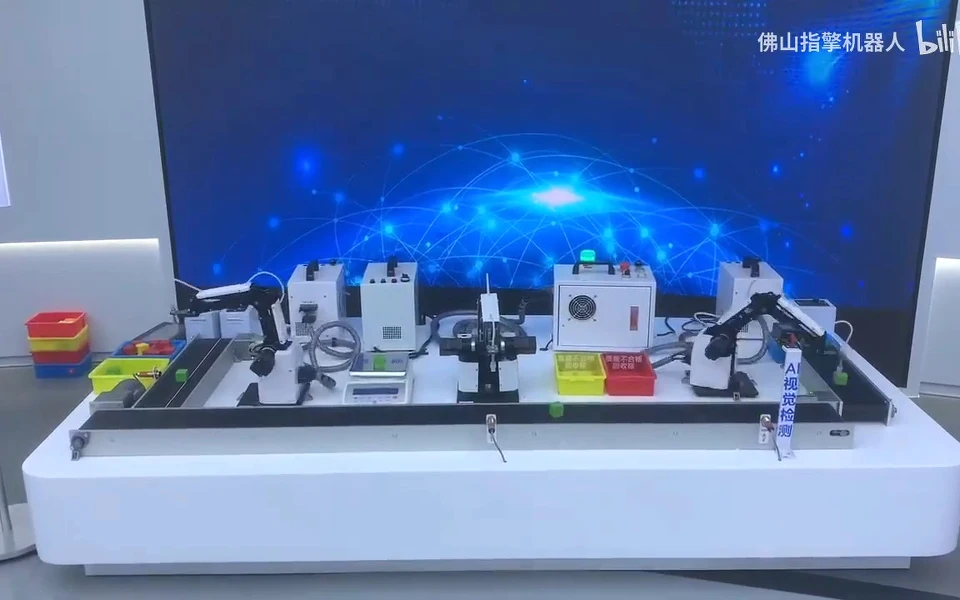
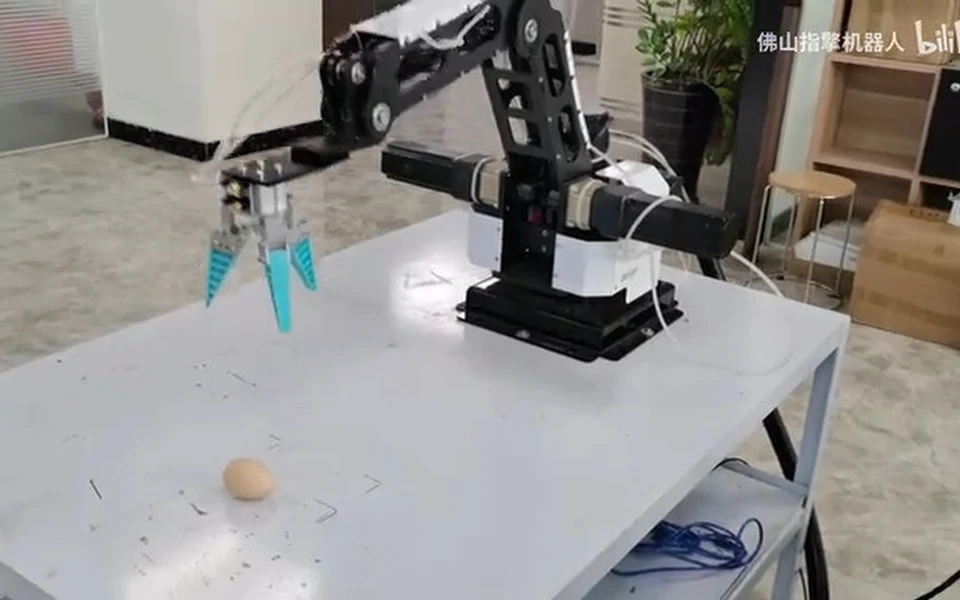
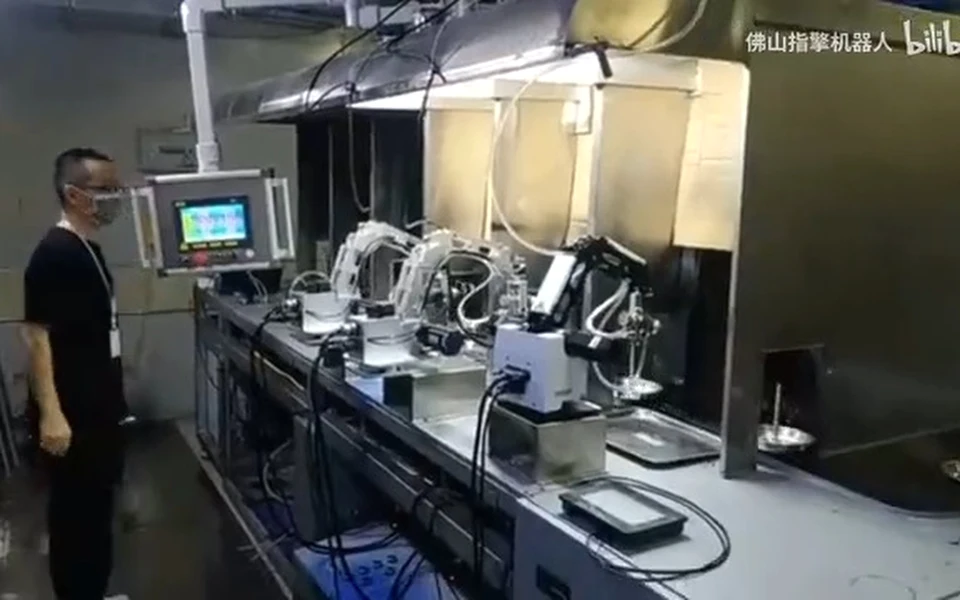
ZEKEEP's reflective-round-part demonstration connects metal components, a Delta picking mechanism and a vision interface showing contours and marked regions. A proposed cell can develop this application into four linked functions: imaging, decision-making, transfer and exception routing. Each transfer should follow a defined decision rather than rely on fast motion to conceal uncertainty.
Clarify whether the system needs only a center position, a distinction between faces, an opening orientation or inspection for specified defects. These tasks need different image features, lighting conditions and acceptance samples. A localization demonstration is not proof of a completed cosmetic inspection capability.
For an orientation task, a stable hole, step or formed feature may be more useful than a highlight that changes with the viewing angle. Combine the relevant structure with the outer contour where appropriate. Trials should include variation among accepted parts and samples that could be confused with them. Define which conditions can proceed automatically and which require a separate route.
Making a reflective component brighter does not necessarily make it easier to inspect. Compare lighting direction, diffusion, background and camera angle against the feature that matters. One arrangement may clarify the edge while reducing visibility of a surface detail, so no single lighting method should be treated as universal.
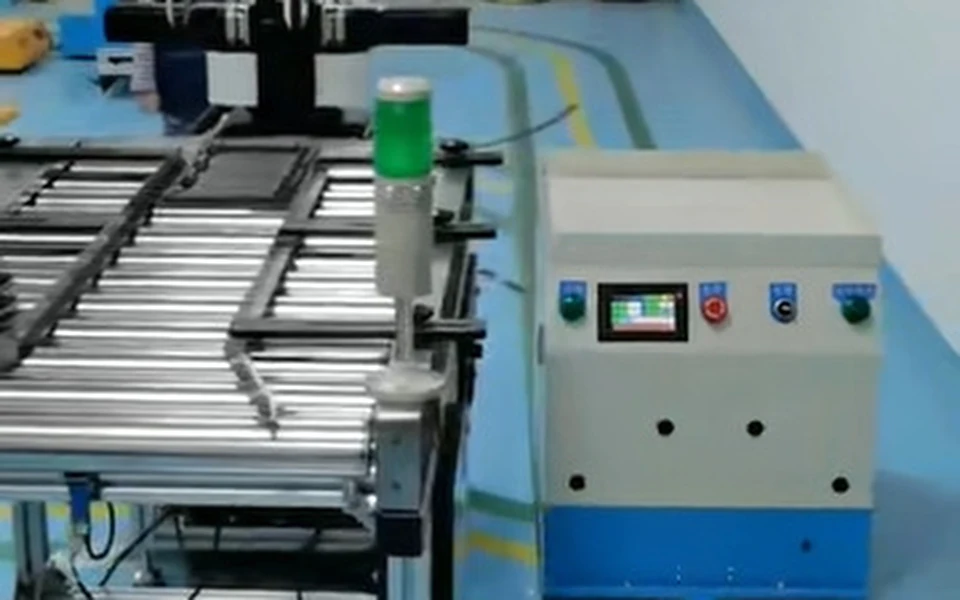
Overlap, occluded edges and raised components change both the image and the grip. If upstream presentation can economically separate parts, limit their height variation and keep them within a usable region, vision and robotics do not need to solve every feeding problem. A stationary imaging position can wait for the part to settle before triggering. A moving conveyor adds timing and target-motion requirements; it cannot simply reuse the same coordinate handoff.
The proposed interface should define the target position, orientation, classification and validity conditions. The robot also needs to avoid picking the same target twice, confirm receiver availability and establish that the image still corresponds to the physical component. A target that has moved since acquisition may no longer be a valid command.
For an ambiguous classification, a grip close to an edge or insufficient separation between parts, provide an agreed response. Options may include another image, operator review or an exception collection position. Choose according to permitted waiting time and intervention. Forcing an uncertain item into an accepted class can turn a perception problem into a downstream assembly problem.
The end tool needs its own assessment. A suction contact must seal without obstructing a relevant feature, while mechanical gripping requires an appropriate edge, acceptable contact pressure and predictable release. Correct vision coordinates do not establish that the grip is reliable.
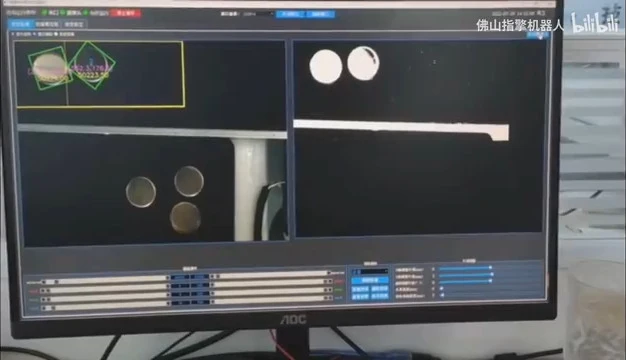
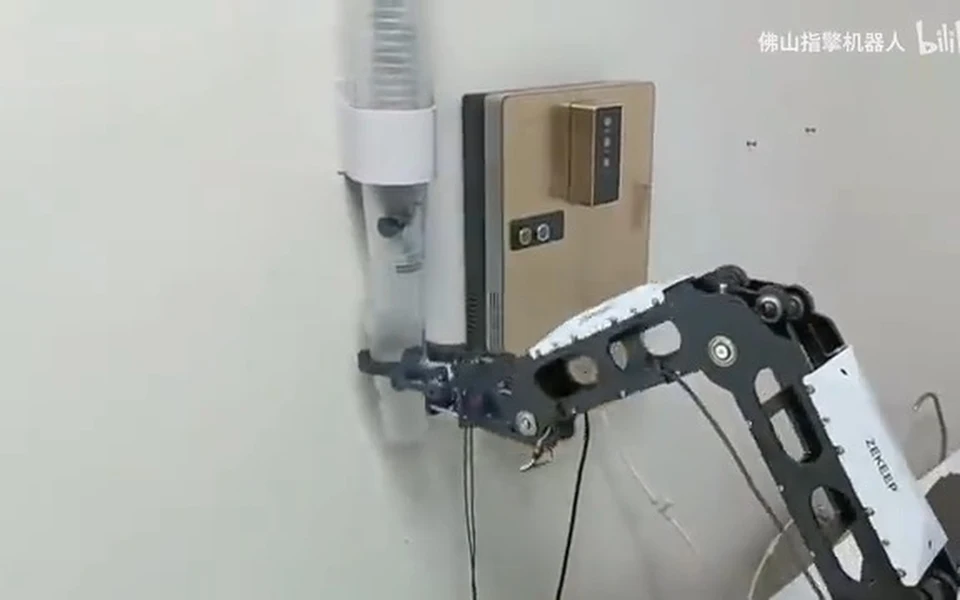
A parallel picking mechanism and a lightweight articulated arm have different installation, tool-layout and operating-envelope considerations. They cannot be interchanged merely because both can move round parts. Nor should the demonstrated Delta mechanism be identified as a current articulated-arm model.
For a stationary imaging arrangement, moderate cycle requirements and light components transferred without orientation change, the 3060H three-axis servo robot can be included in a candidate comparison. It has a 2 kg rated payload and a 497 mm maximum working radius. Complete tooling mass, path and motion conditions still require validation. Moving-conveyor picking, additional orientation or other degrees of freedom need a separate system assessment rather than an assumption based on those ratings.
Test rotation angles, part positions, surface batches and normal height variation. Record localization error, classification outcomes, indeterminate cases and handling results separately. Set acceptance measures for the project without promising an accuracy figure that has not been measured. If picks are offset, the layered vision-picking troubleshooting guide helps separate imaging, calibration, tool and motion issues before changing settings.
For a reflective-part sorting assessment with ZEKEEP, provide accepted parts, confusing examples and reject samples, together with material information, presentation method, permitted contact areas and classification rules. Representative samples make it easier to define the vision task, choose the handling mechanism and set a useful exception boundary.
Add our technical expert on WeChat, or submit your process requirements. We'll provide a free automation feasibility and ROI assessment report.