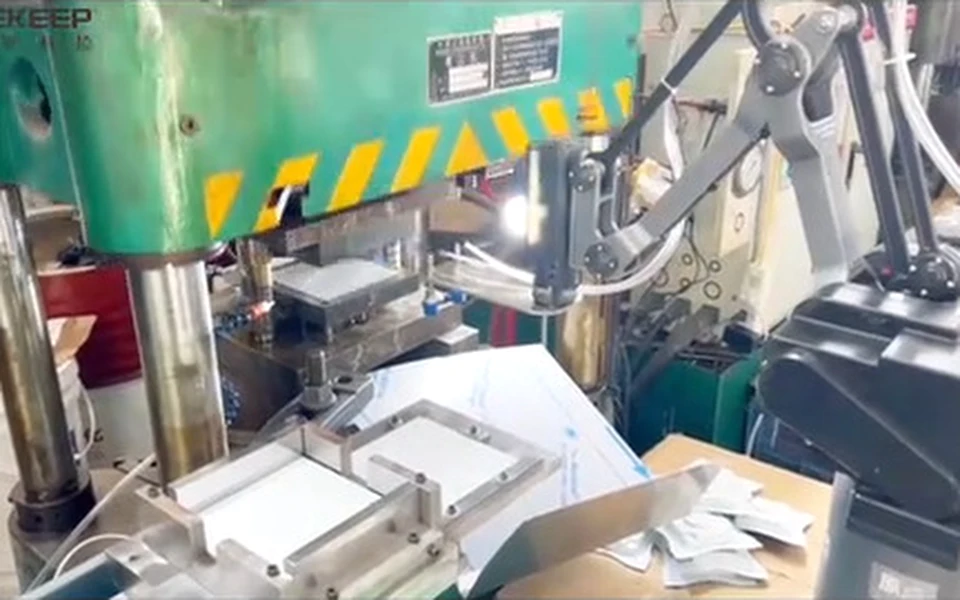
Plan a retrofit for an existing press around feeding, locating, robot tooling and machine handoffs, with practical steps for small metal parts.
Key Result 1
Key Result 2
Key Result 3
In a small metalworking cell, the press stroke may account for only part of the cycle. An operator still has to collect and orient a blank, load the tooling and remove the processed part. Higher order volumes make repetitive handling more demanding, while a product change can require a different presentation and locating arrangement. Many manufacturers want to retain serviceable presses while reducing the need for continuous manual loading.
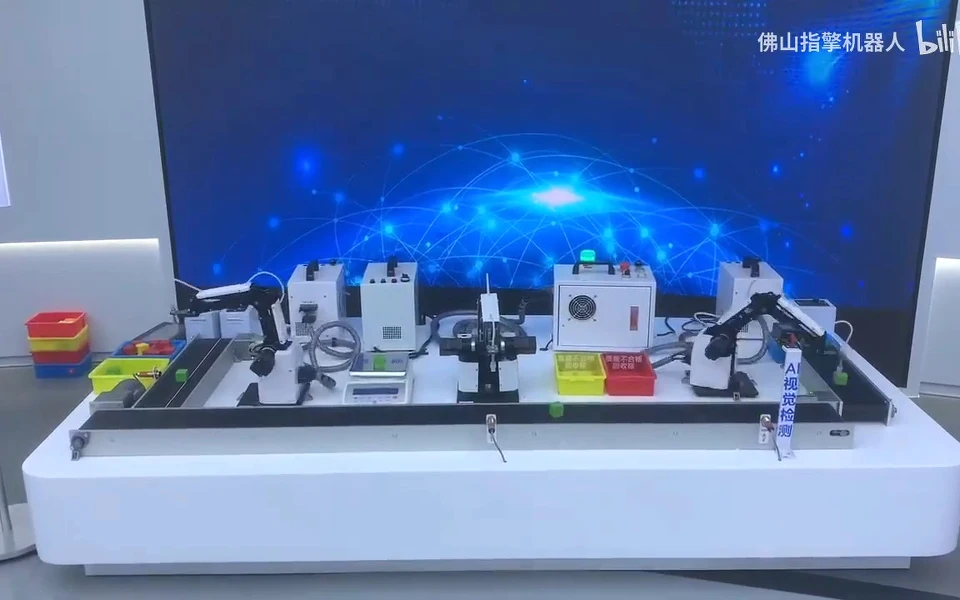
A focused machine-tending retrofit can build around four linked functions: feeding presents a part where it can be picked, locating establishes its datum, the robot transfers it, and the processing machine runs when the agreed handoff conditions are satisfied. Coordinating these functions allows investment to target repetitive work and unstable handoffs while retaining existing processing capability.
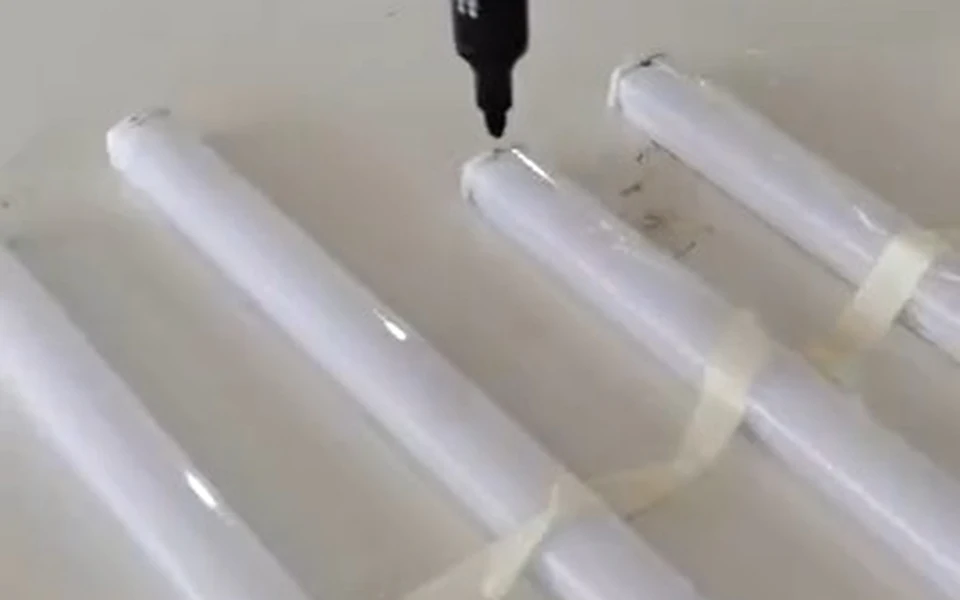
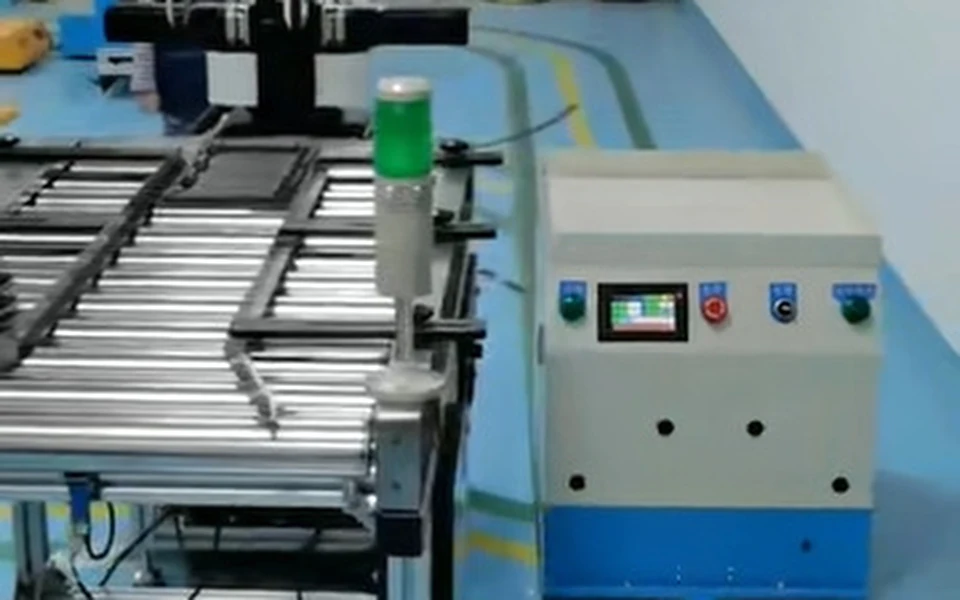
A robot cannot handle loose, randomly presented parts simply by repeating a fixed path. Regular parts that separate readily may suit a magazine, tray or vibratory feed arrangement. Thin blanks and rings need attention to double picks, overlap and orientation. Establishing a dependable pick location is often a useful first step before adding more complex perception.
The die side also needs a stable datum. The robot transfers the part; locating features constrain it. Robot motion should not carry the entire positioning burden. Gripping surfaces, tool withdrawal after loading and clean release all need assessment with the actual component.
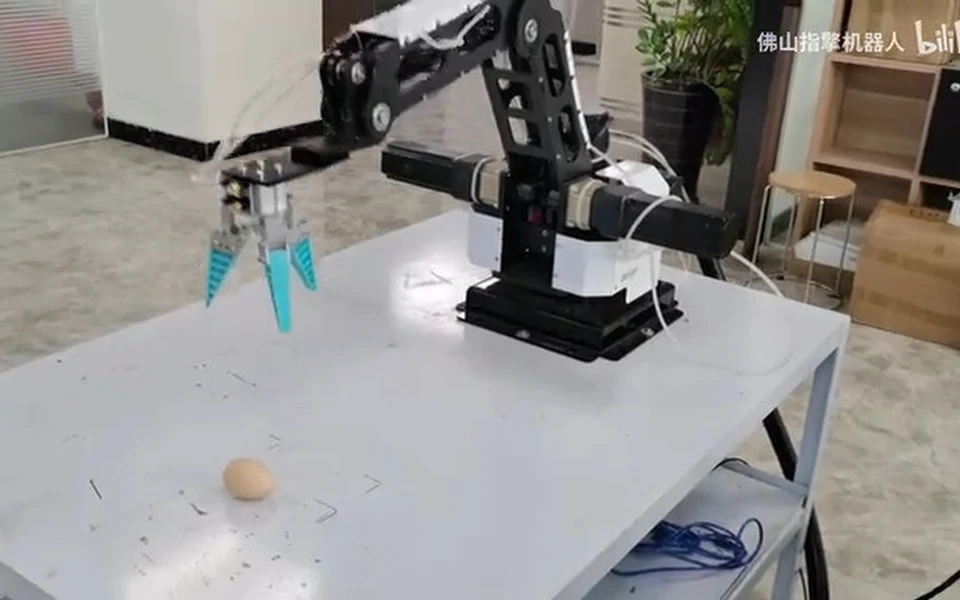
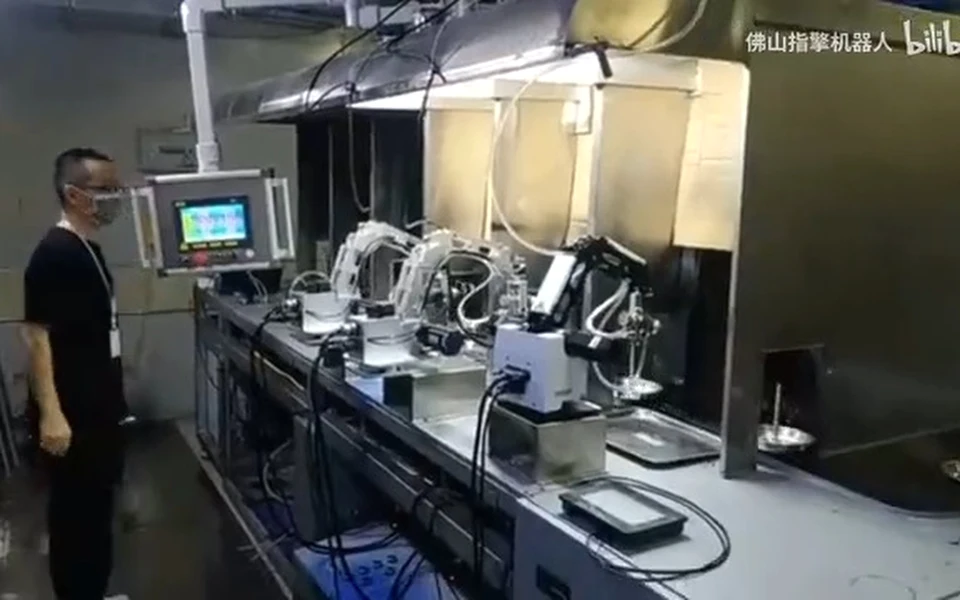
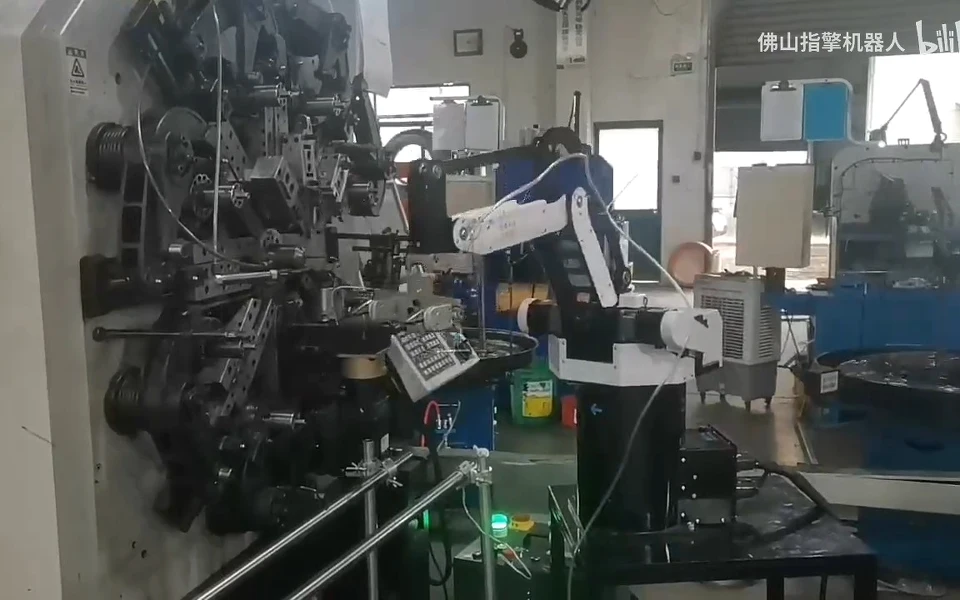
Watch the press-tending application
A proposed sequence can cover part availability, grip confirmation, permission to enter the machine, loading and withdrawal, processing completion, and unloading or separation. Each transition needs an observable condition. A completed command does not prove that a part is secure, and processing completion does not by itself establish a clear extraction path.
Robot control, machine control and fixture sensing should have defined responsibilities. Ordinary I/O can exchange process states; personnel protection and hazardous-motion control require an appropriate whole-cell risk assessment and safety design. A programmed wait is not a complete safeguarding arrangement.
Longer processing time may provide an opportunity to prepare the next part. Where handling dominates, evaluate additional tooling or buffer positions. Mapping the complete cycle before adding grippers or stations helps control integration complexity.
Grippers or suction tooling need to account for grip reliability, surface condition and total tool mass. Thin-part suction calls for suitable contact areas and separation methods. Mechanical gripping should avoid obstructing the processing area. A tool's insertion length also changes its center of gravity and clearance requirements, so it belongs in the robot-selection discussion.
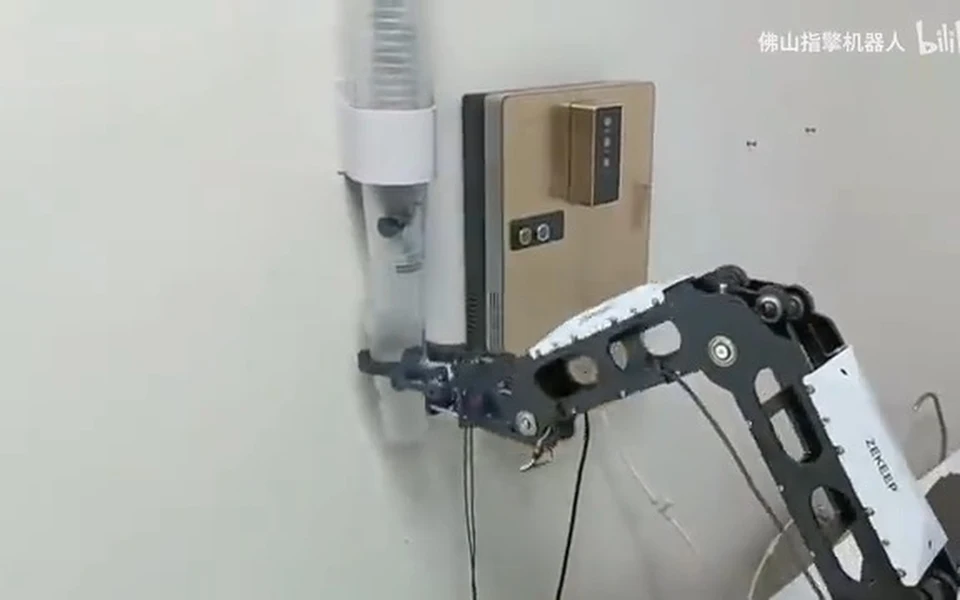
The 3060H three-axis servo robot, rated at 2 kg with a maximum working radius of 497 mm, is a candidate for position-transfer tasks without independent end rotation. Where end rotation is required, the 4090H four-axis servo robot offers a 3 kg rating and 717 mm maximum working radius. Include the tool, adapter and part in the load assessment, then validate center of gravity, motion conditions and the path through the machine opening.
View small metal parts and handling around the die
An initial project can focus on a predictable component and a stable production requirement, retaining manual replenishment, sampling and exception handling. Trials should cover continuous handling, machine handoffs, changeovers and recovery rather than a single successful move. Broader feeding and downstream automation can follow once operating requirements are clear.
The business case rests on reducing repetitive handling, stabilizing handoffs and improving use of existing processing capacity. Include feeding, fixtures, integration and safeguarding in the budget, and assess actual shifts and changeover frequency rather than robot price alone. Contact ZEKEEP with the component, die opening, existing controls and intended shifts to discuss a practical starting point.
Add our technical expert on WeChat, or submit your process requirements. We'll provide a free automation feasibility and ROI assessment report.