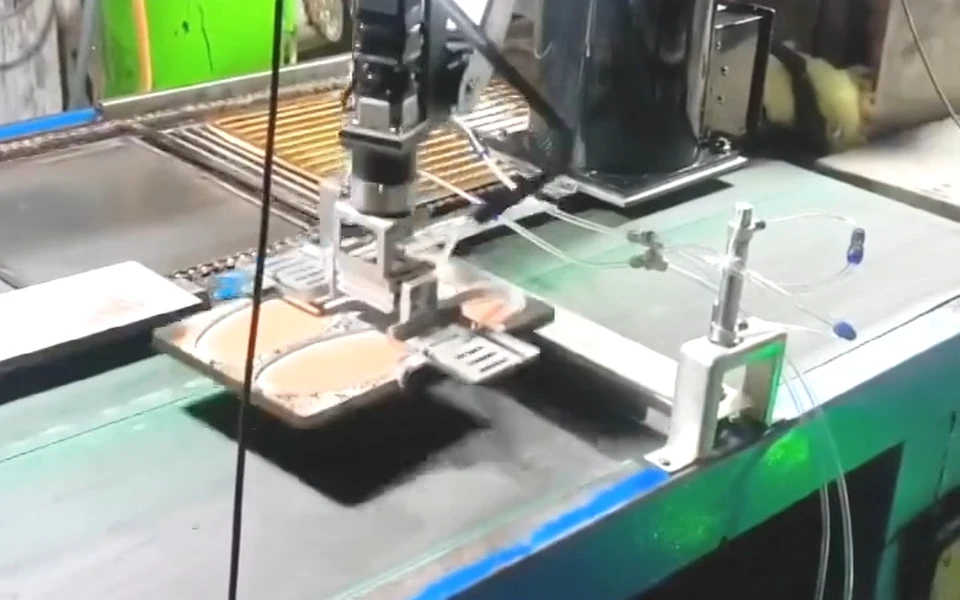
Coordinate vision localization, tool support and receiving fixtures for irregular or flexible parts, with practical changeover and payload considerations.
Key Result 1
Key Result 2
Key Result 3
Irregular outlines, variable presentation and deformation make footwear materials and similar flexible parts challenging to automate. An operator can adjust a part while picking it up. A robot needs a defined answer to two questions: where is the part, and how will it retain a usable pose after gripping? Solving only one can leave the next operation with a positioning problem.
A complete proposal brings vision localization, tool support and the receiving datum together. The camera establishes a pick location and orientation, the tool maintains the required part condition, and the receiving fixture completes downstream positioning. ZEKEEP can discuss the robot and cell configuration around this handoff chain.
If a downstream machine accepts the part in a fixed orientation, start from that requirement when defining the pick and any rotation. Left and right parts, or different sizes with similar outlines, may require different features and locating elements. Flexible materials also need assessment for sagging after pickup.
Define permissible contact areas, delivery orientation, receiving height and locating methods before configuring the camera and robot. This avoids identifying an outline successfully while leaving too little provision for gripping and transfer.
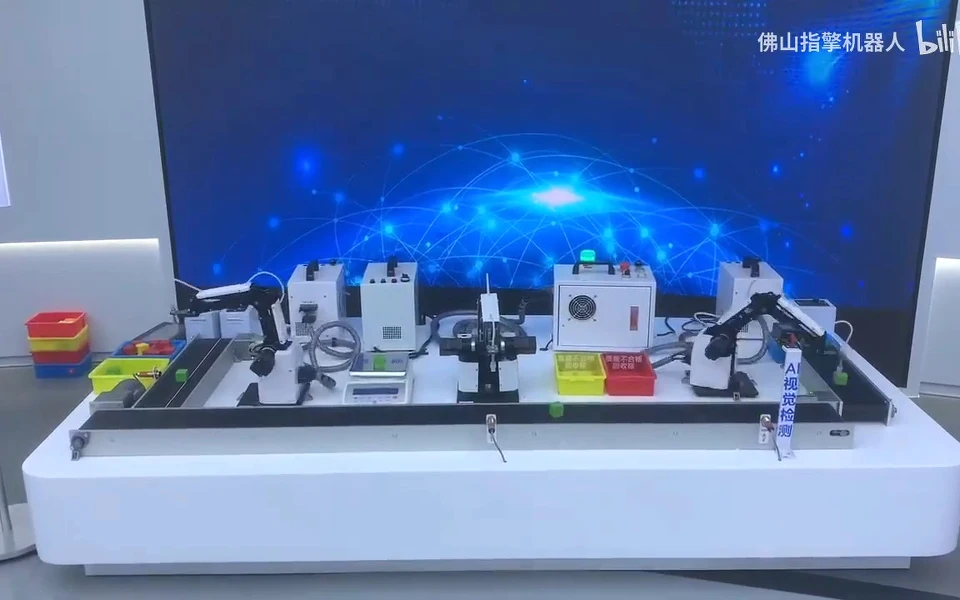
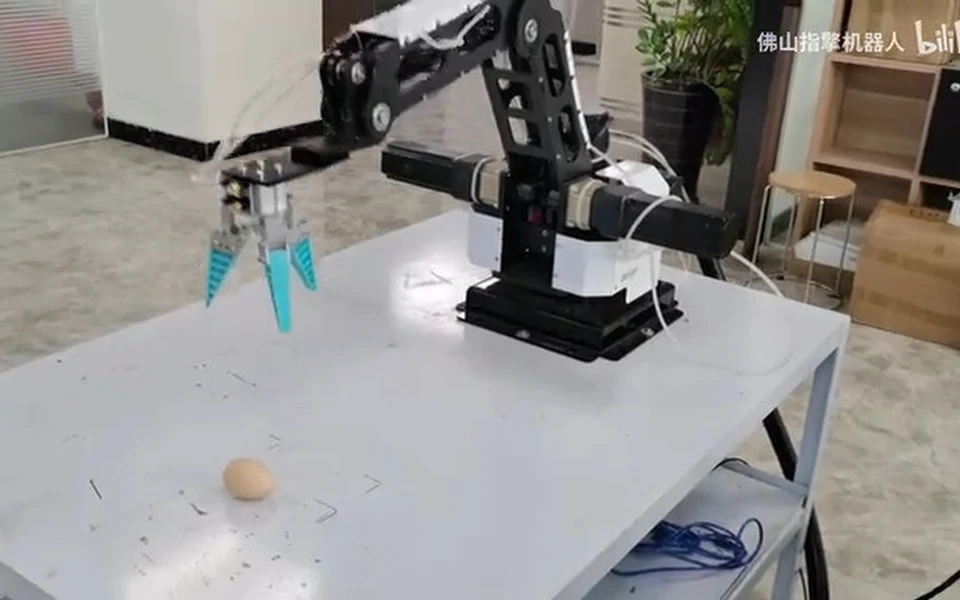
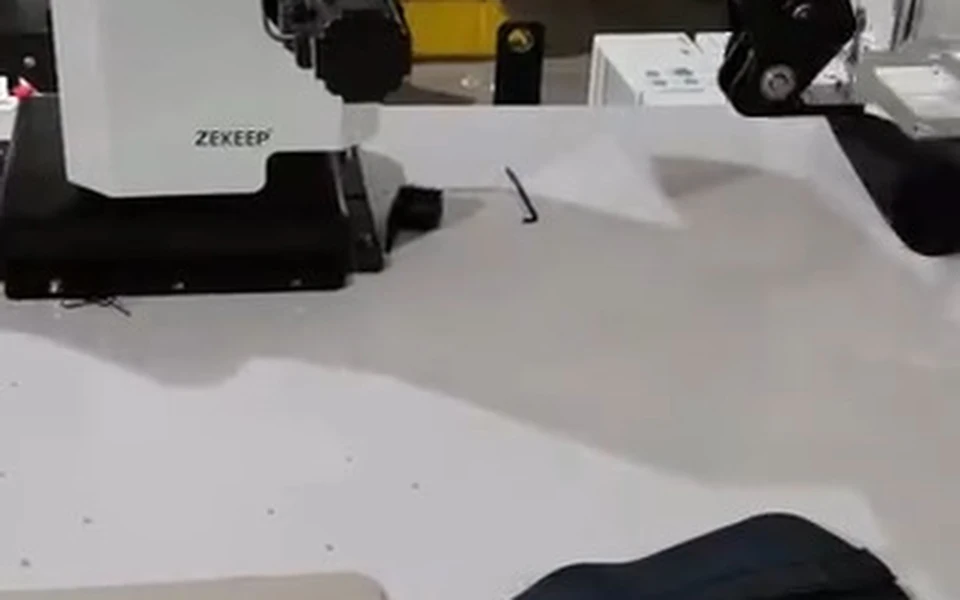
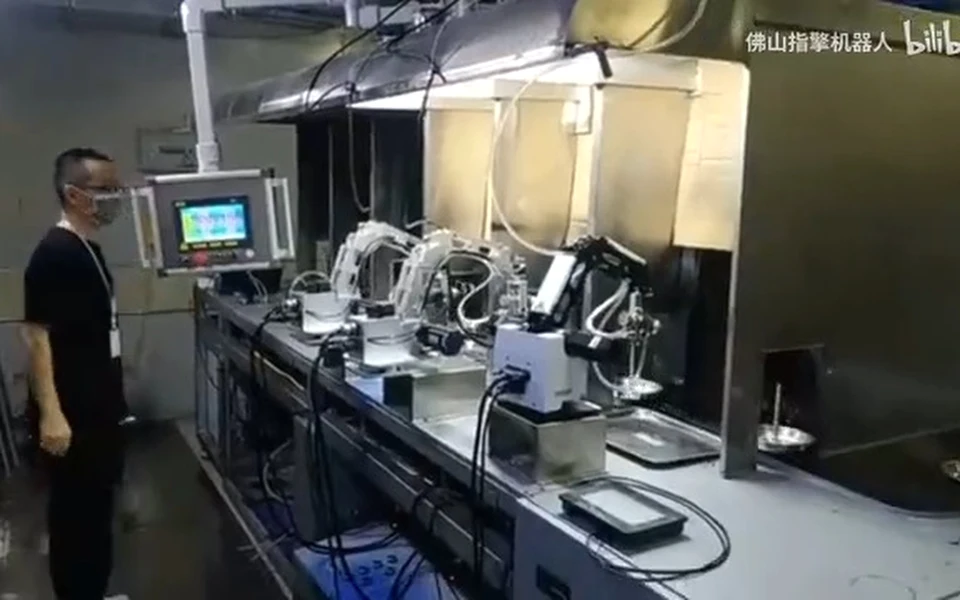
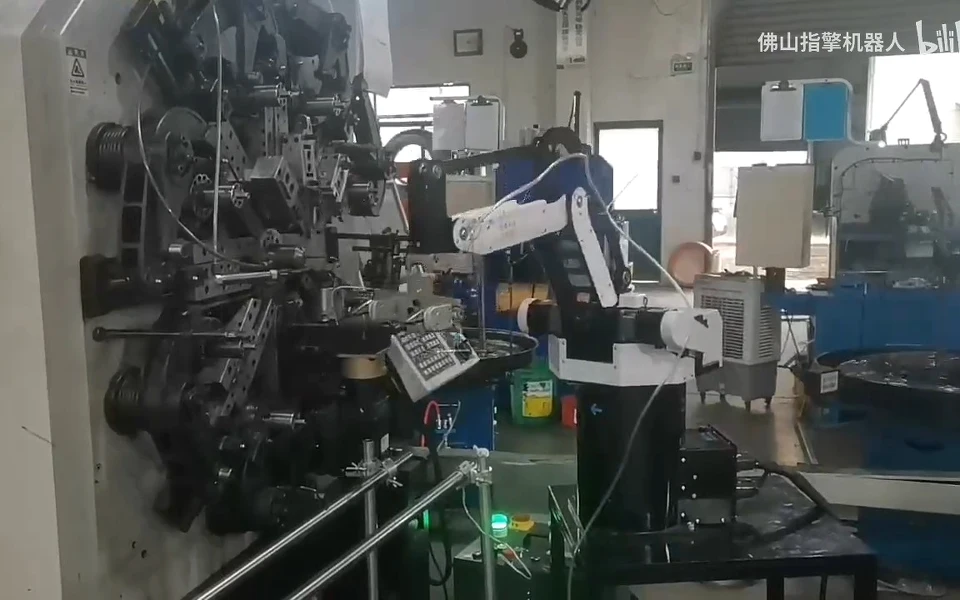
Watch irregular-part handling and vision demonstrations
For parts presented on a plane, assess stable features such as the outline or holes. Background color, shadows and texture affect the image, so lighting and presentation should make the required features distinguishable. Camera installation must be followed by an appropriate mapping between image positions and robot working coordinates.
The control sequence also needs to associate a result with the right part: which component was located, when may it be picked, and does movement after imaging require another localization? A geometric center is not automatically the best gripping point. Material stiffness, center of gravity and the delivery pose determine a suitable location relative to the outline. Stable features can also support offsets across sizes, reducing the need to recreate every point during a changeover.
Thin or flexible parts may benefit from multiple contact points or shaped support. Suction needs assessment of porosity and effective contact area; mechanical gripping needs consideration of pressure, marking and position after release. The tool should deliver a usable part condition as well as lift the component.
Approach, lift, transfer and release settings should suit the material. Higher acceleration may cause flexible parts to swing and affect placement. Adjusting the path and support can be more useful than reducing speed throughout the cycle. Evaluate representative materials and presentation directions.
Vision settings, gripping offsets, robot programs and locating blocks can be organized as a process recipe for each size. After selection, first-piece checks should confirm that the incoming part matches the recipe, reducing the risk of mixing visually similar products.
Where end rotation is required, the 4060H four-axis servo robot is one industrial option to assess. Its rated payload is 1 kg: include the tool, adapter and part, and review dynamic conditions. Heavier multi-point tooling may require another payload class. Select the industrial camera, illumination and fixture around the material and process.
The value lies in connecting localization, stable gripping and dependable delivery into one process. Share representative samples with ZEKEEP, together with the presentation method and downstream requirements, to assess one component before extending the concept to a broader product mix.
Add our technical expert on WeChat, or submit your process requirements. We'll provide a free automation feasibility and ROI assessment report.