Develop practical teaching tasks for multi-robot cells, connecting station programming, material handoffs, fault recovery and assessable project outcomes.
Key Result 1
Key Result 2
Key Result 3
Several robots in a laboratory do not automatically make a useful smart-manufacturing course. Students may program each machine successfully yet struggle to explain a waiting transfer, decide which station should restart first, or recover when a part has moved but its confirmation has not. The educational value lies in coordination rules beyond individual robot motions.
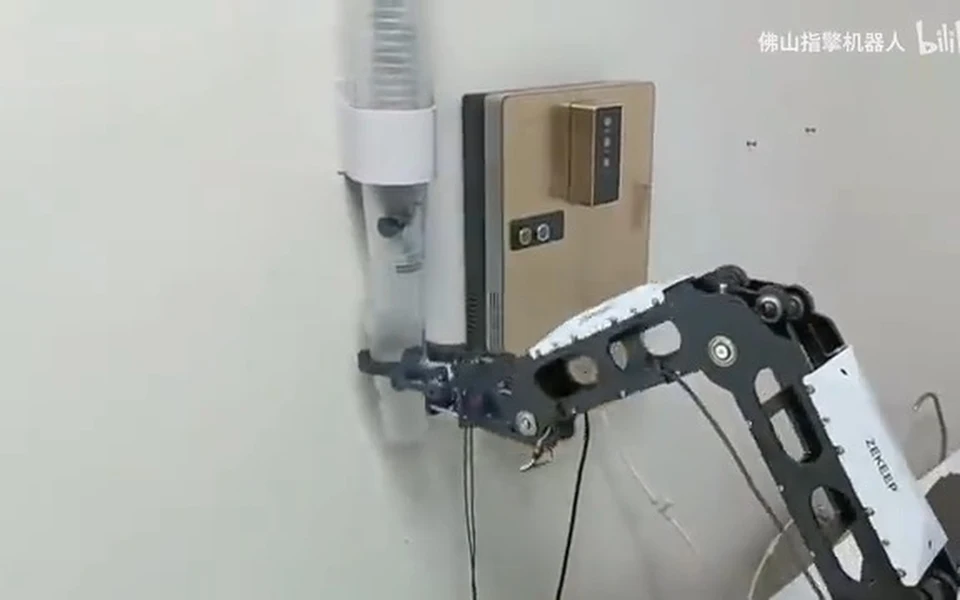
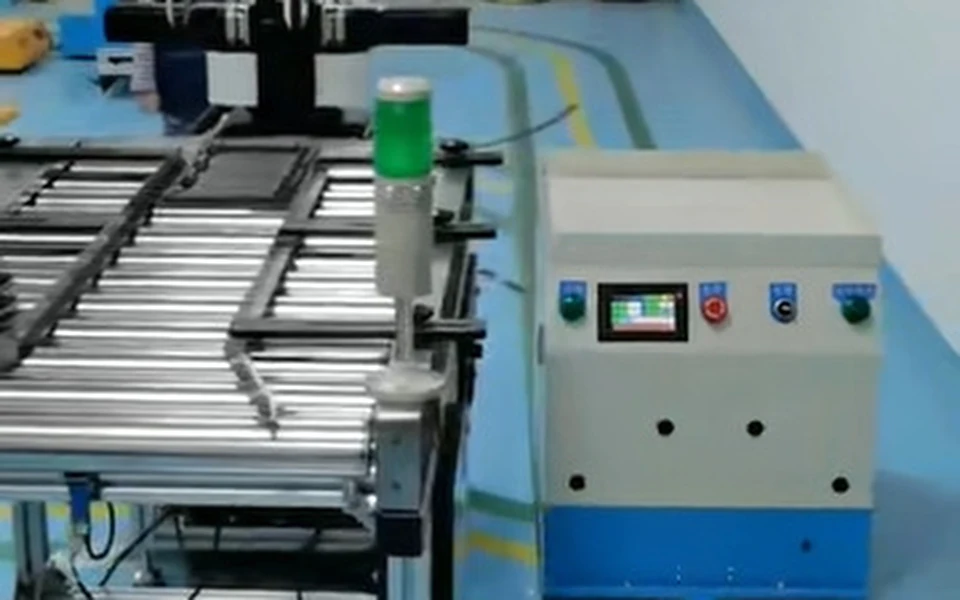
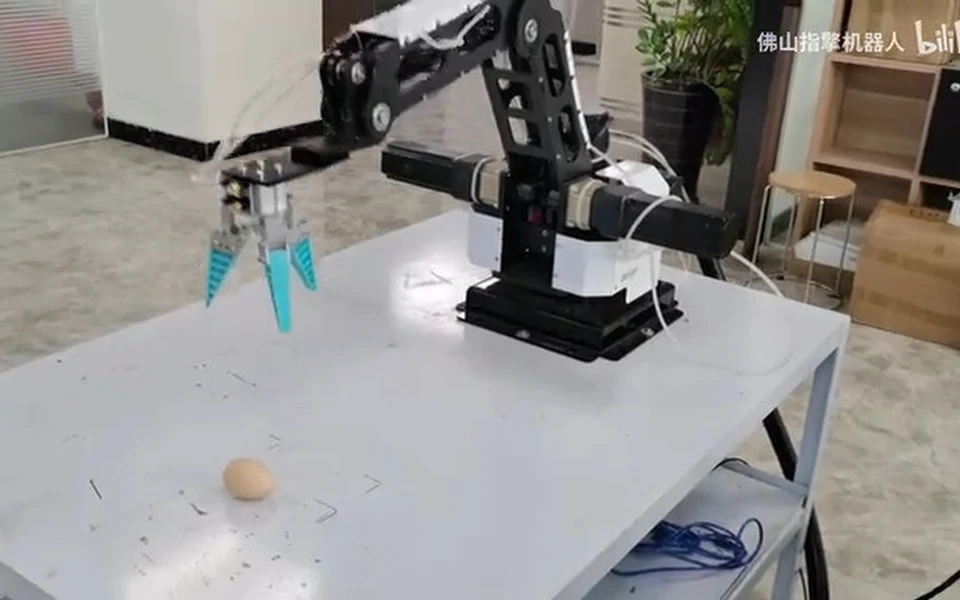
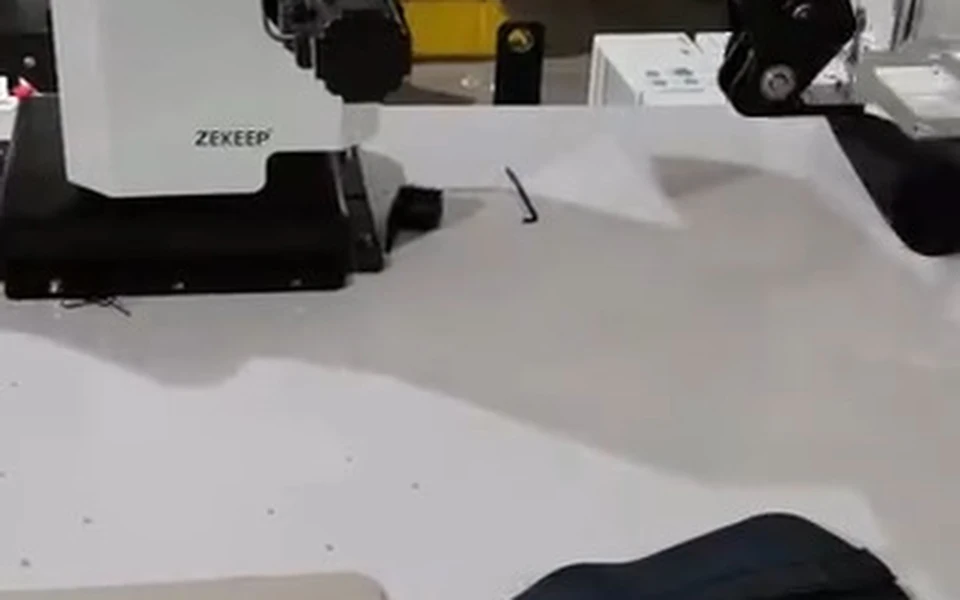
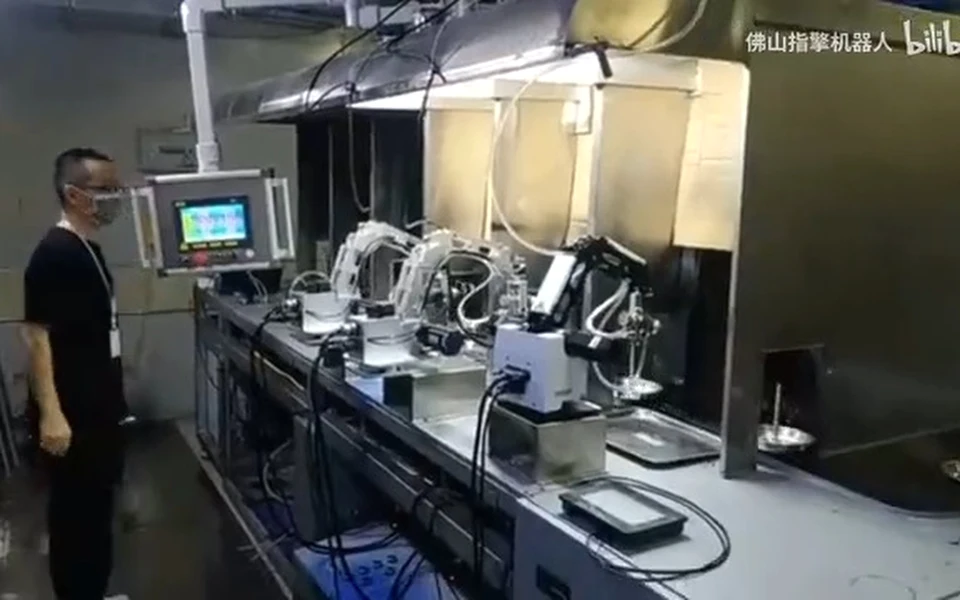
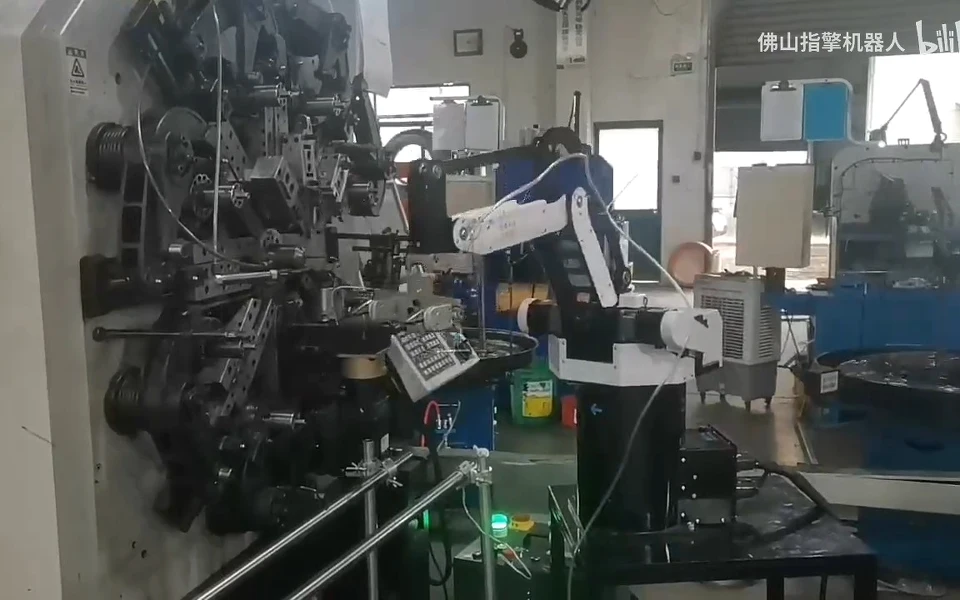
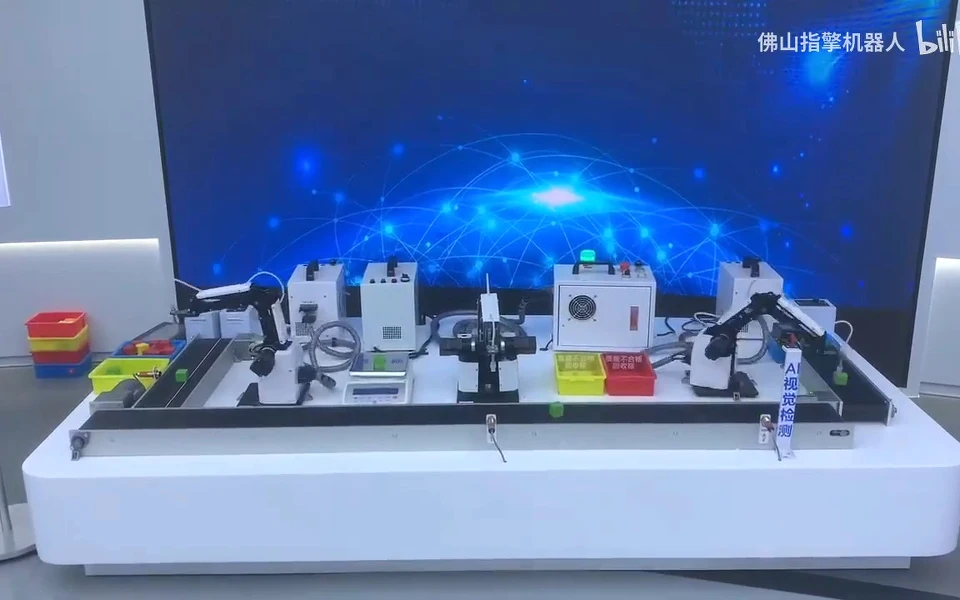
ZEKEEP's multi-robot teaching arrangements bring compact arms, conveying or fixture modules and operator controls onto a shared platform. Related demonstrations also combine a 3D teaching arrangement with local practical operation. A course can build from one station to a two-station handoff and finally to system diagnosis. Assessment should focus on whether students can explain the interfaces, commission the sequence and reproduce the task, rather than on the number of devices.
A comprehensive task might move a training part from feeding through an inspection or processing position to a receiver. Require a station-responsibility diagram, I/O schedule, sequence explanation and recovery record as well as an operating program. Each module needs a learning purpose beyond starting all the devices together.
One team could manage feeding and arrival detection, another robot transfer, and a third receiving and status display. Their interface agreement then becomes a shared engineering deliverable. Changing one handoff condition allows an instructor to assess understanding rather than simply reward a smooth demonstration.
Single-station work includes tool and coordinate definitions, pickup and placement positions, the working envelope, and conditions for starting, stopping and resuming. Students should explain where the part is, when the tool closes and whether the destination is available, rather than record a few taught points. Changing a fixture or tool should prompt a reasoned configuration review.
Begin with readily observed training parts and limited task complexity under the laboratory’s approved safeguarding and supervision. Small equipment still presents pinch and unexpected-motion risks. Emergency-stop and recovery procedures follow equipment requirements; an ordinary program pause is not a complete safety function.
Four initial states can structure the discussion: upstream material available, downstream ready, transfer in progress and transfer complete. Assign each an observable condition and a responsible controller. If a conveyor position is occupied, the upstream station should wait rather than release another part after a fixed delay.
Timeouts, task identifiers and completion acknowledgements may be designed in the selected PLC and application software, subject to the available interfaces. They should not all be described as native robot features. Recorded signal changes help students distinguish orderly cooperation from two machines that happen to move at the same time.
An instructor can introduce recoverable conditions such as missing feed, an occupied receiver or a paused station. Students first establish which station currently owns the material, then choose where the sequence may resume. Repeating an upstream action after a completed transfer can cause duplicate loading; clearing every state can lose the location of work in progress.
Teach a consistent reasoning process: inspect inputs, examine local state, locate material, apply the permitted intervention and resume. A concise record separates the symptom from its cause and leaves another group a repeatable configuration and operating method. This matters as much as successful operation of the original program.
Vision can begin with classification of training pieces within a defined view. Require students to distinguish the recognition result, decision rule and physical destination. If the arm moves correctly but the result is wrong, they should consider perception, coordinate mapping, tooling and inter-station logic separately. Adding several variables before simple transfers work makes diagnosis harder.
ZEKEEP's three-axis PLC educational desktop robot can support sequential-control and interface teaching. The machine-vision sorting training workstation addresses perception and sorting practice, while the six-axis full-stack robotics learning platform offers a direction for modelling and planning development. Confirm software versions, access and supplied teaching content for the chosen configuration.
Final assessment can combine normal operation, assigned fault recovery, program and interface documents, and another group’s ability to restore the task from those records. For model-to-hardware learning, the digital twin training concept extends station logic into modelling and state correspondence.
When planning a teaching cell, share subject areas, programming experience, class size, available hours and existing controls. Discussing course tasks with ZEKEEP before combining equipment helps create a platform that supports progressive teaching, independent assessment and later expansion.
Add our technical expert on WeChat, or submit your process requirements. We'll provide a free automation feasibility and ROI assessment report.