Explore contact geometry, motion, controlled release and inspection handoffs for fragile objects, using ZEKEEP soft-finger handling demonstrations as context.
Key Result 1
Key Result 2
Key Result 3
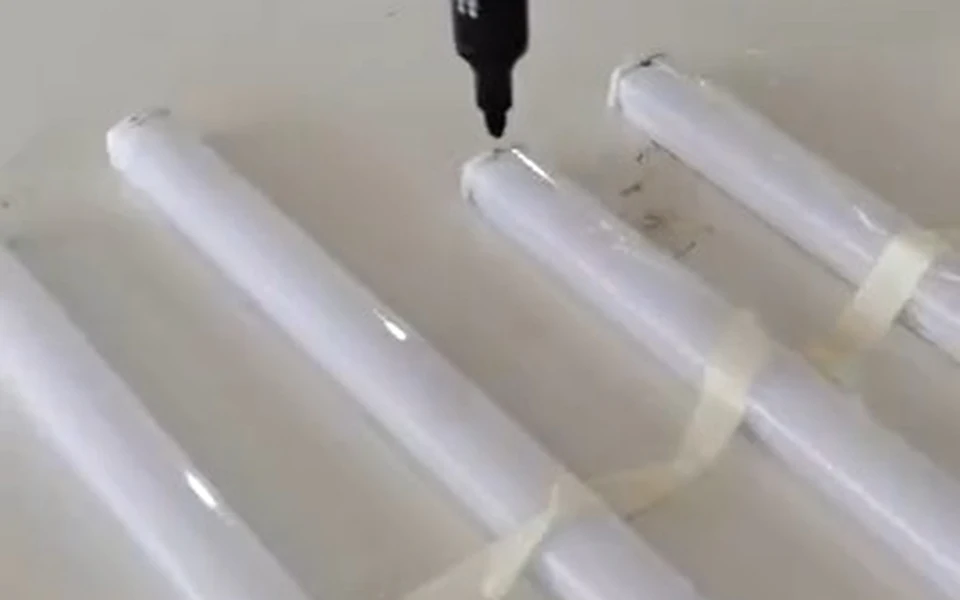
Eggshells and fruit skins respond differently to contact, but both create the same handling question: how can the tool retain the object without treating greater squeezing force as the only route to stability? Size variation, moisture and presentation can change the result. Even when the object stays in the gripper, compression during transfer or rolling after release may disrupt sorting and packing.
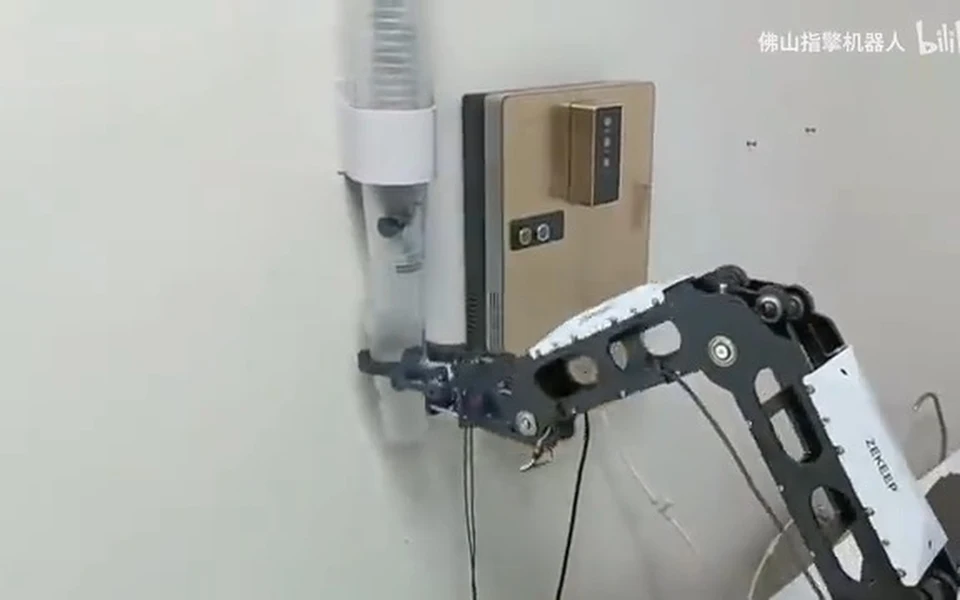
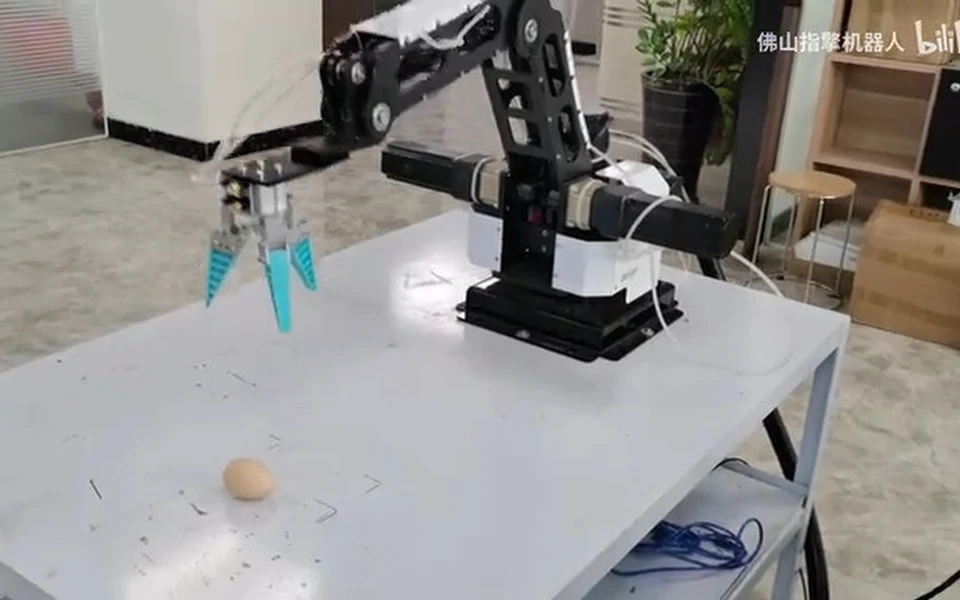
Compliant fingers can accommodate some shape variation, but the tool, robot and destination must work together. ZEKEEP's related demonstrations cover soft-finger contact with egg-shaped objects and round fruit, and handling beside a platform. They provide a basis for a typical handling concept, rather than proof that one gripper suits every product or a complete grading process.
Include dimensional and weight ranges, shapes, surface conditions and permitted contact areas in the sample set. Local resistance to pressure and available friction influence gripping. For products with batch or variety differences, the easiest and most regular samples are not sufficient.
Assess finger count, length and wrapping position against support and release requirements. More enclosure is not always better: deep contact may obstruct a tray pocket, while long fingers can move the object during withdrawal. Low-speed trials that reveal contact position, deformation and slipping are more informative than comparing pneumatic settings alone.
Static retention does not establish stability during turns or deceleration. Account for the combined tool, adapter and object mass, then consider centre of gravity and acceleration. Begin with a consistent pickup position, limited height changes and a clear destination before adding variable presentation.
Avoid abrupt changes of direction near restrictions. Confirm the intended contact before lifting, observe movement after leaving the feed position, and bring the object into support at the destination before release. A robot-at-position signal does not by itself confirm that a fragile object is settled correctly.
Tray pockets, compliant support surfaces or restrained positions can limit rolling, while still allowing removal and cleaning. Finger-opening clearance and withdrawal space belong in the layout. Tray capacity should be assessed using both object geometry and tooling access, not diameter alone.
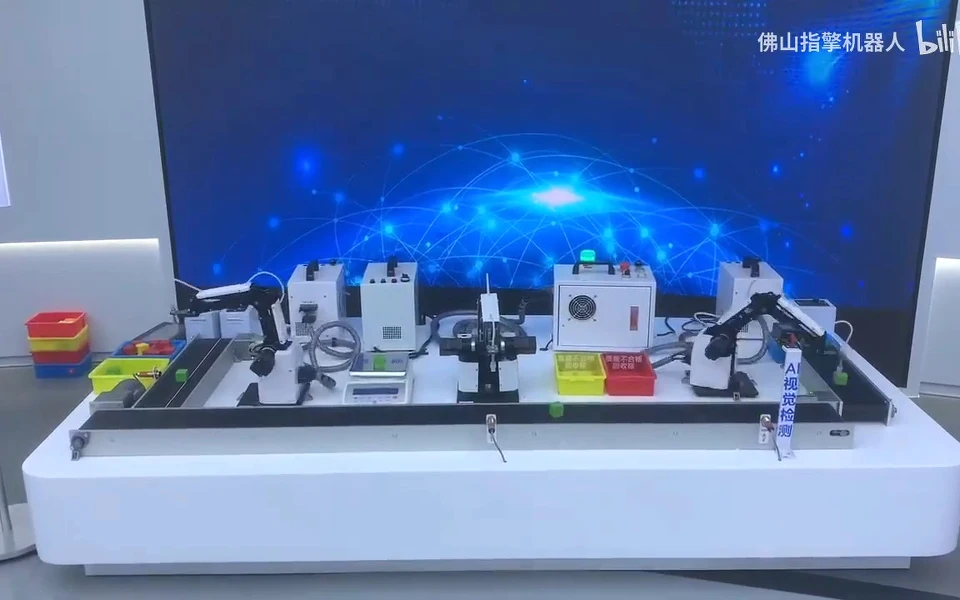
When feeding a weighing or vision station, separate transfer from measurement. Settle the object and ensure the tool no longer supports it before collecting data under the measuring system’s operating conditions. Weighing must consider the support, vibration and settling time; vision needs a defined view and illumination. Classification limits and measurement accuracy require their own validation and cannot be inferred from a gripping demonstration.
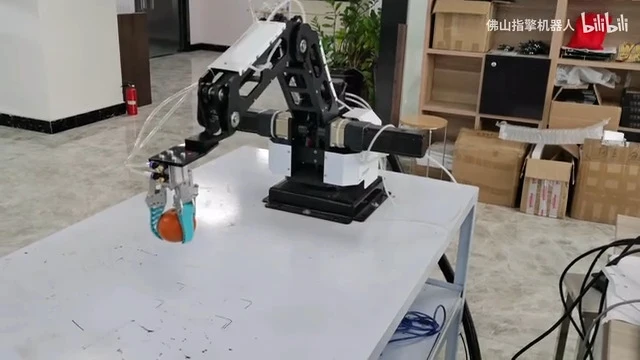
A soft appearance does not establish suitability for every food-contact use. Confirm contact materials, cleaning methods, service conditions and areas where residue may collect, together with inspection and replacement arrangements. Wet products also require trials that account for changing friction, drainage and cleaning access.
Define responses to an empty pickup, missing material, dropped object or unstable placement. Equipment should reach an appropriate state before clearing or recovery. An uncertain object should not automatically continue to the accepted output simply to keep the sequence running. Safeguarding and operator procedures depend on the complete station arrangement.
Record pickup, transfer, placement and object condition separately, grouping observations by sample type. Where damage may become apparent later, use inspection appropriate to the product rather than relying solely on an immediate visual check. Identify the stage causing instability before changing the tool, motion or fixture.
For fixed-orientation transfers, the 3060H three-axis servo robot is a candidate direction, with a 2 kg rated payload and 497 mm maximum working radius. Tool mass, dynamic conditions and distances still need checking. Selecting a robot does not establish all environmental or contact requirements for a food application. The discussion of vacuum cups and pneumatic grippers can help compare contact methods against the product’s condition.
For fragile-product automation, share sample dimensions and weights, permitted contact, tray geometry, quality criteria and cleaning requirements. Discuss the grip, motion and destination together with ZEKEEP to move from a successful individual pickup toward an application that can be evaluated and improved systematically.
Add our technical expert on WeChat, or submit your process requirements. We'll provide a free automation feasibility and ROI assessment report.