Plan a Delta vision-sorting cell around part presentation, conveyor strategy, target scheduling, tooling and a reliable downstream handoff.
Key Result 1
Key Result 2
Key Result 3
A fast pick-and-place mechanism does not automatically create a productive sorting cell. In small-parts packaging and transfer, the belt may alternate between empty gaps and clusters of overlapping components. The robot can spend more time waiting for a reachable target than moving between stations. A Delta vision-sorting proposal should therefore begin with material presentation and the receiving process, then work back to the mechanism and its motion requirements.
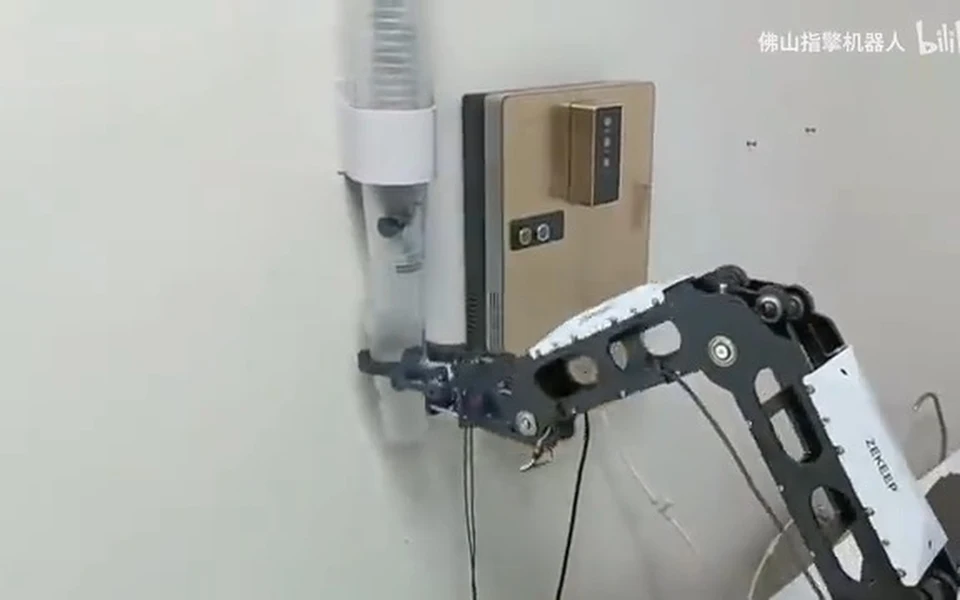
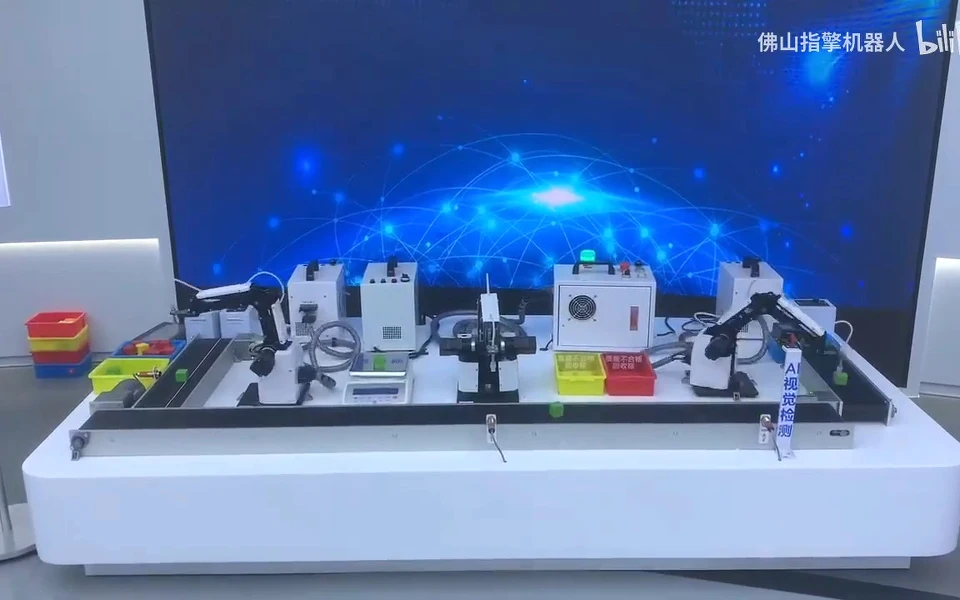
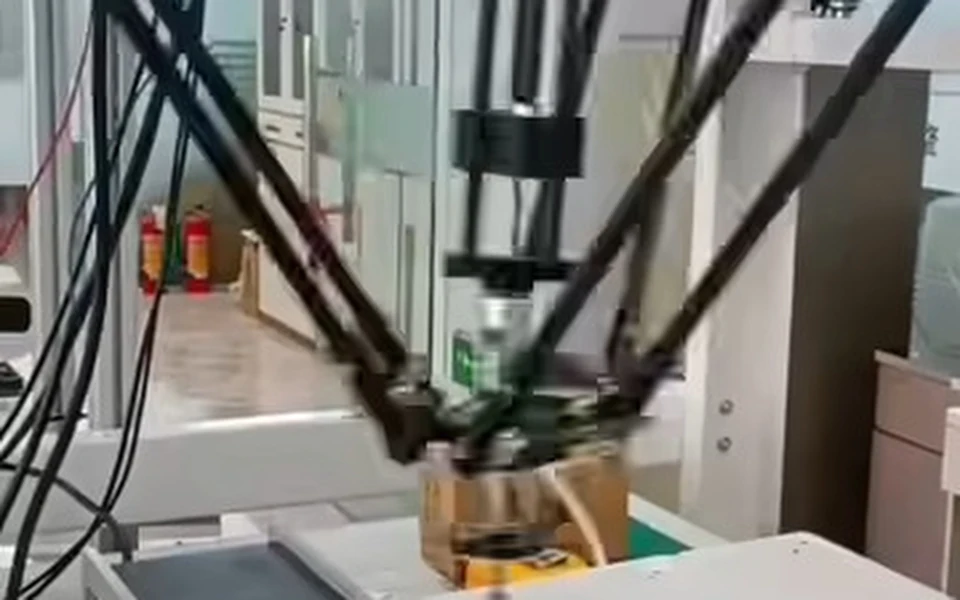
ZEKEEP's parallel-robot demonstrations offer complementary views of this arrangement. One connects touchscreen operation, a vision image, small parts on a conveyor and a placement platform. Another shows the mechanism operating beneath its supporting frame. They provide useful application context for developing a cell, while actual throughput must be established with the selected parts and complete process.
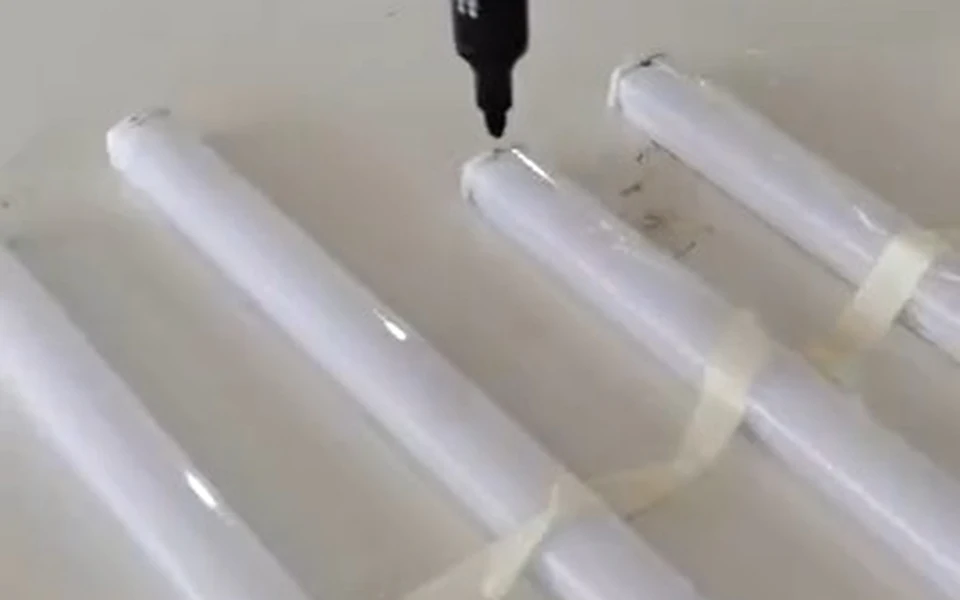
Consider lightweight components arriving in bulk before a packaging operation. Simply increasing the quantity delivered onto the belt can make picking harder. Overlap obscures features, clusters restrict tool access and uneven spacing creates peaks in demand within the working area.
The feeding arrangement might use buffering, separated conveyor stages, guides or a part-specific separation method. Selection should follow sample trials. The imaging zone must also leave sufficient time and space for the robot to approach, grip and withdraw. A location visible to the camera is not necessarily accessible to the complete end tool. Belt edges, frame obstructions and tool dimensions belong in the layout from the outset.
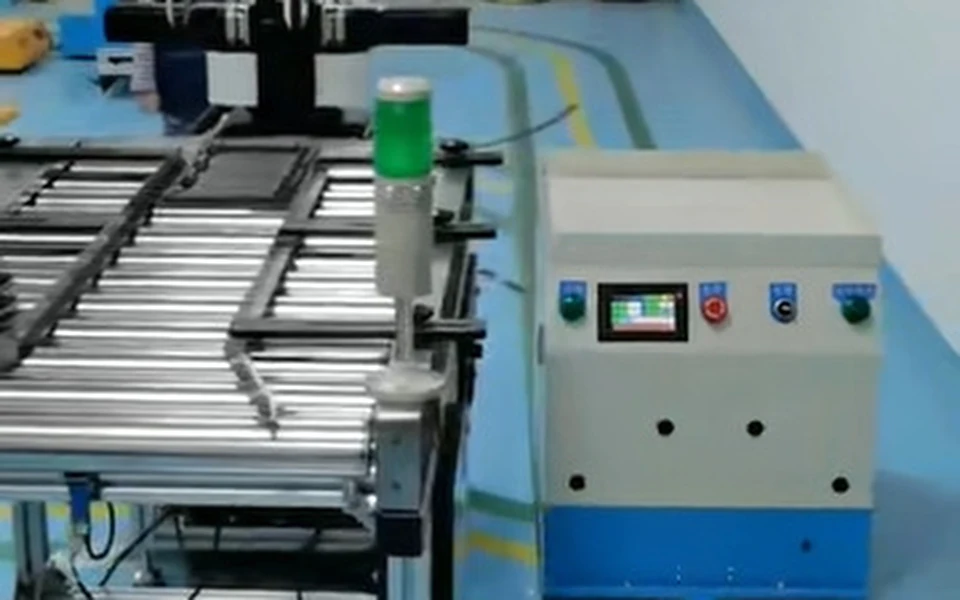
Intermittent and continuous transport create different integration requirements. With intermittent operation, the belt can settle before imaging and picking, making the relationship between the detected target and the pickup position easier to establish. This can be a practical starting point when presentation and gripping still need development.
A continuous-picking design must manage the target's movement after detection and determine when the robot can intercept it. Coordinate transformation, the timing of measurements, the valid picking window and expired targets all need defined behavior. Required tracking capabilities should be confirmed for the chosen controller, vision system and conveyor measurement arrangement. A proposed application sequence is not evidence that every Delta controller provides those functions natively.
Where the process permits a pause and incoming flow is variable, a controlled intermittent cell may be easier to stabilize. Moving to continuous operation makes sense when a demonstrated bottleneck and a workable integration method justify the additional complexity.
A useful vision result must relate to the component's location, permissible orientation and recognition status. Whether the application also needs side identification, color classification or defect detection is a separate process requirement. Reflective, translucent and visually similar parts need representative samples under the intended lighting conditions.
Several visible targets introduce a scheduling problem. The cell needs to decide which part to pick next, which can remain available and which should be abandoned. The decision can consider the time remaining inside the working window, travel distance and receiver availability. Overlapping, unrecognized, expired and unsuccessfully gripped parts need a return, diversion or manual handling route.
The second demonstration helps explain the relationship between the supporting structure and the placement area. Any required front/back recognition should be developed against agreed sample features and acceptance conditions.
Vacuum tooling needs a suitable contact surface, an appropriate approach and a means of confirming retention. Mechanical gripping introduces its own access, marking and release considerations. Tool plates, valves, fittings and moving hoses contribute to load and motion behavior alongside the part itself.
The receiving point is more than a coordinate. A pocket, a fixture and a moving conveyor impose different release-height, orientation and spacing requirements. If the next process cannot accept a part, the cell needs a defined buffer or stop condition. Pickup should not continue indefinitely into a blocked transfer. Presence, acceptance permission and completion states help connect the robot to packaging, inspection or another process.
Trials should distinguish usable presentation, valid recognition, actual pickup, acceptable placement, exception handling and changeover time. The commercial question is how many parts meet the process requirements, not how many motions the mechanism can repeat. Budgeting should include feeding, vision, tooling, structure, safeguarding and integration rather than the mechanism alone.
To discuss a ZEKEEP sorting concept, prepare samples, a video of incoming flow, the required receiving arrangement, available floor space and operating shifts. Contact ZEKEEP to identify whether the priority is part separation, the picking window or downstream handoff before selecting the mechanism and peripherals. The related guide to troubleshooting vision-guided picking can help structure imaging and coordinate checks.
Add our technical expert on WeChat, or submit your process requirements. We'll provide a free automation feasibility and ROI assessment report.