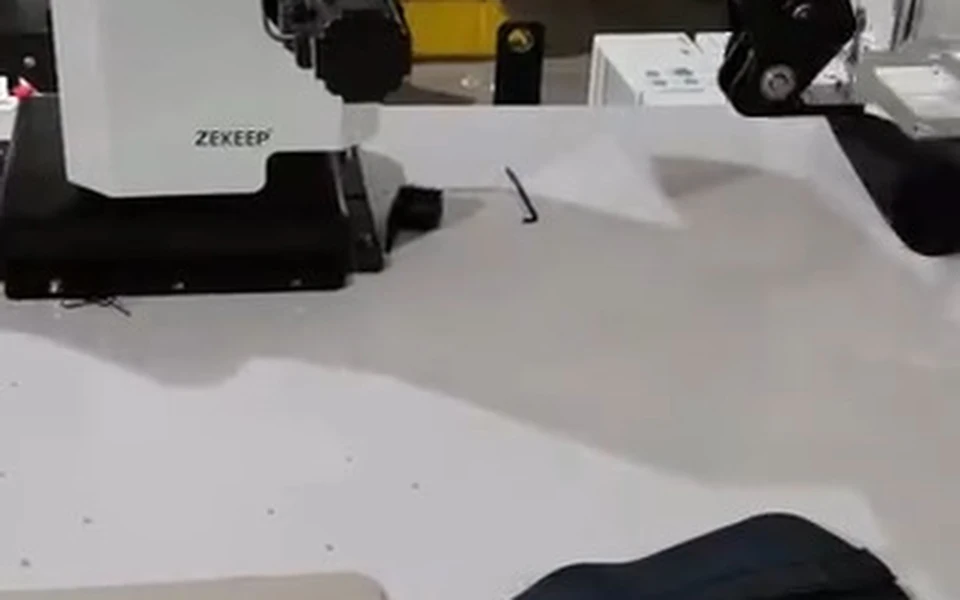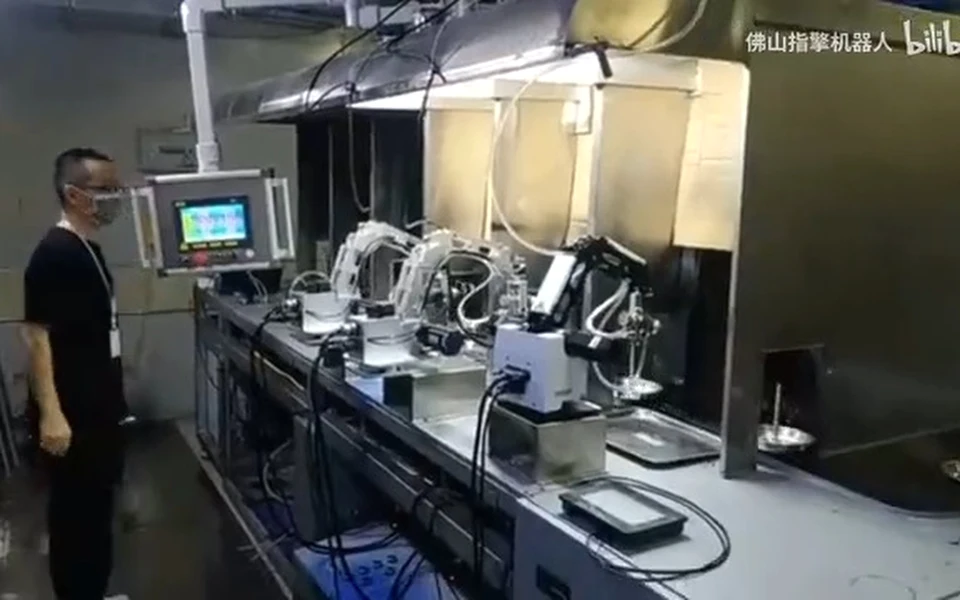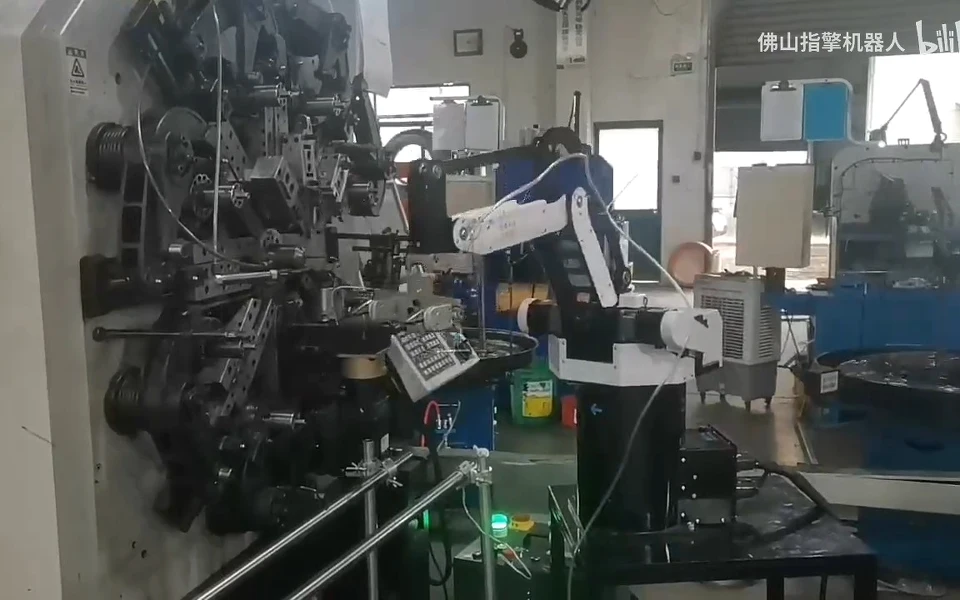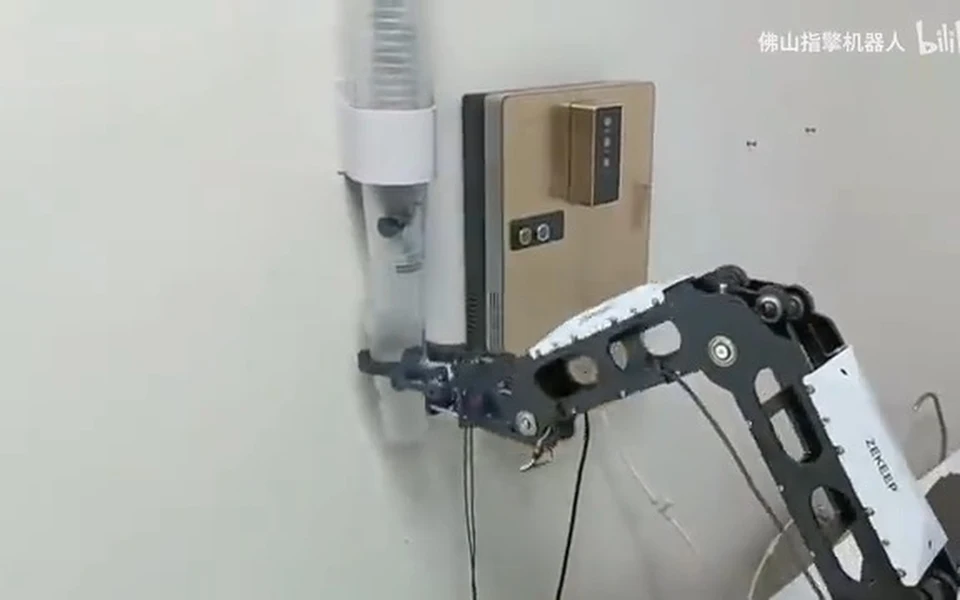
Plan cup separation, positioning, filling confirmation and service handoffs together when evaluating robot-assisted beverage and counter operations.
Key Result 1
Key Result 2
Key Result 3
Counter automation often starts with a small task: take one cup, move it beneath an outlet, then place it where someone can collect it. Yet this task connects a cup dispenser, filling equipment, workspace and human activity. Cups that remain nested, unstable positioning or an occupied collection area can stop an otherwise capable robot.
A service-station concept can assign handling to the arm, individual-cup presentation to a separating mechanism, liquid-process control to the dispenser, and human handoff to the collection area. Define each unit’s responsibility and available space, then connect pickup, positioning and output in a testable sequence. This provides a more useful feasibility assessment than the robot motion alone.
Cup geometry, rim shape, nesting and surface condition affect separation. Thin disposable cups and more rigid vessels may need different gripping approaches. A full dispenser can behave differently from one nearly empty. Trials should cover the intended cup specifications and replenishment states before deciding whether a dedicated separating or locating mechanism is needed.
Tool contact should use agreed external areas without compromising the cup's function or subsequent use. Confirm cup presence and retention, the risk of multiple cups, and stable placement. The appropriate detection method depends on the vessel and station; a completed grip command is not proof of a successful cup pickup.
The arm can present and transfer the cup while the dispensing unit controls its own process. If the robot holds the cup during filling, assess the filled mass, tool centre of gravity and dripping. If it places the cup in a nest first, that nest needs repeatable location and cleaning access. Cup geometry, outlet position and the intended handoff determine the better arrangement.
Proposed preconditions include cup present, usable position and permission from the dispensing unit. After dispensing, use the available completion information or a suitable separate check before transfer. A fixed waiting period does not resolve every change in flow or abnormal dispensing condition. Quantity accuracy, temperature and beverage quality require assessment of the actual process equipment.
The output is both a placement location and a human-interaction boundary. Consider occupancy, stability and the robot's state while a person collects the cup. Where staff still prepare orders, replenish supplies or clean the counter, include their workspace, timing and operating access in the design.
More complex food-service tasks require separate analysis of bowls, cups and trays, including changing contents and permitted gripping areas. A tool suited to an empty cup is not automatically suitable for a loaded dish. Starting with repetitive actions inside a clear boundary is easier to develop and maintain than assigning every service activity to one arm immediately.
Assess contact materials, cleaning methods, moisture, heat sources and cable or hose routing. An industrial robot is a possible handling mechanism, not evidence that the complete station meets every food-service hygiene and safety requirement. Water traps, inaccessible surfaces and replenishment that requires reaching into a motion area should be addressed during layout planning.
Missing cups, an occupied output and an unconfirmed dispensing operation each need defined waiting, stopping and intervention responses. Before resuming, establish whether a cup already contains liquid and whether it is in the tool or on the counter. This helps avoid repeated dispensing or another pickup over an unfinished task. Cup changes may also require a program and fixture review.
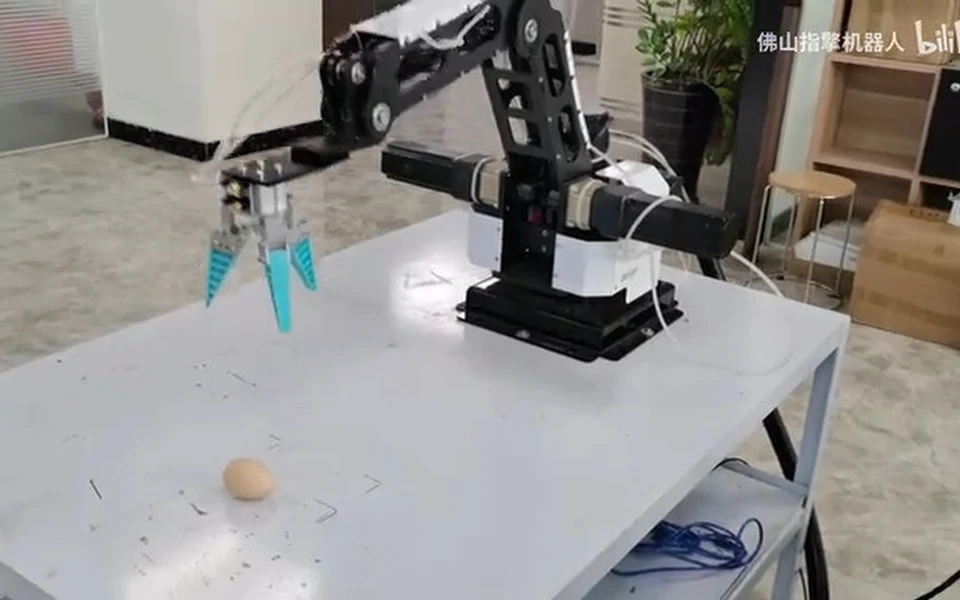
For a fixed counter with defined cup positions and end-rotation needs, the 4060H four-axis servo robot is a candidate, rated at 1 kg with a 592 mm maximum working radius. Include the tool, adapter, vessel and maximum liquid contents, then evaluate centre of gravity, motion, workspace and environmental requirements. Pouring or complex tilting may need a different mechanism; four axes should not be assumed suitable.
Consider a mobile platform only when the service task genuinely requires movement between locations. Otherwise, navigation and docking add complexity without necessarily improving the task. Test a complete cup-presentation, positioning, dispensing and collection sequence, including replenishment, waiting, cleaning and intervention, rather than judging it solely by the duration of one move.
The guide to robot interfaces and task states offers a useful framework for connecting the selected service equipment. Share vessel samples, loading ranges, counter drawings, interfaces, cleaning methods and staff workflows when defining a first service-task evaluation with ZEKEEP. This gives investment and later expansion a practical application boundary.
Add our technical expert on WeChat, or submit your process requirements. We'll provide a free automation feasibility and ROI assessment report.