Explore a customer-sample path simulation, proposed dispensing-cell configuration, changeovers and investment assessment with ZEKEEP compact robots.
Key Result 1
Key Result 2
Key Result 3
An adhesive bead may be a small part of a product, but its consistency matters to assembly quality and manufacturing cost. Electronic enclosures need perimeter sealing, sensors need local bonding, and small hardware components need adhesive in defined locations. For manufacturers handling frequent changeovers and short production runs, the challenge is to control the process without buying a dedicated machine for every product.
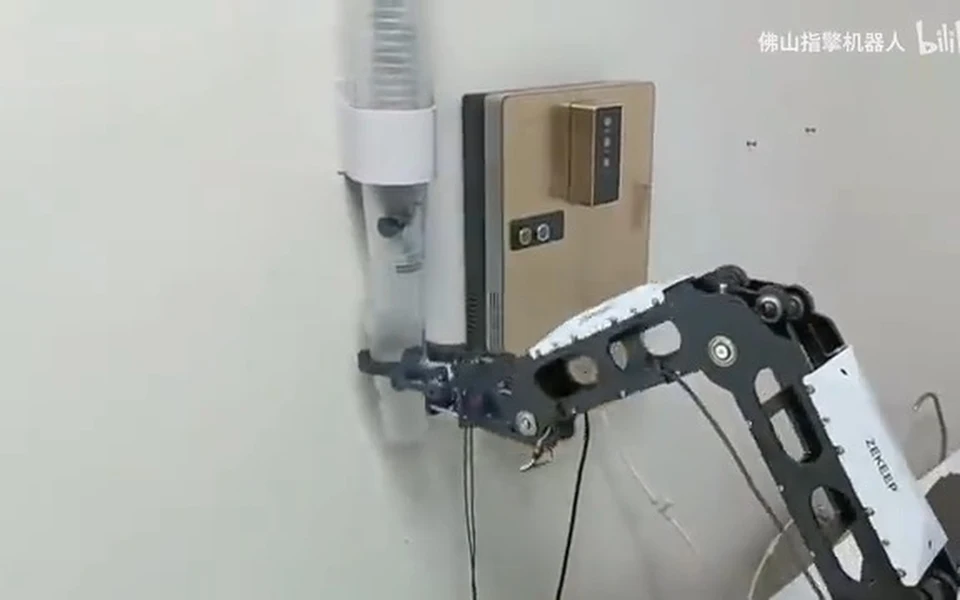
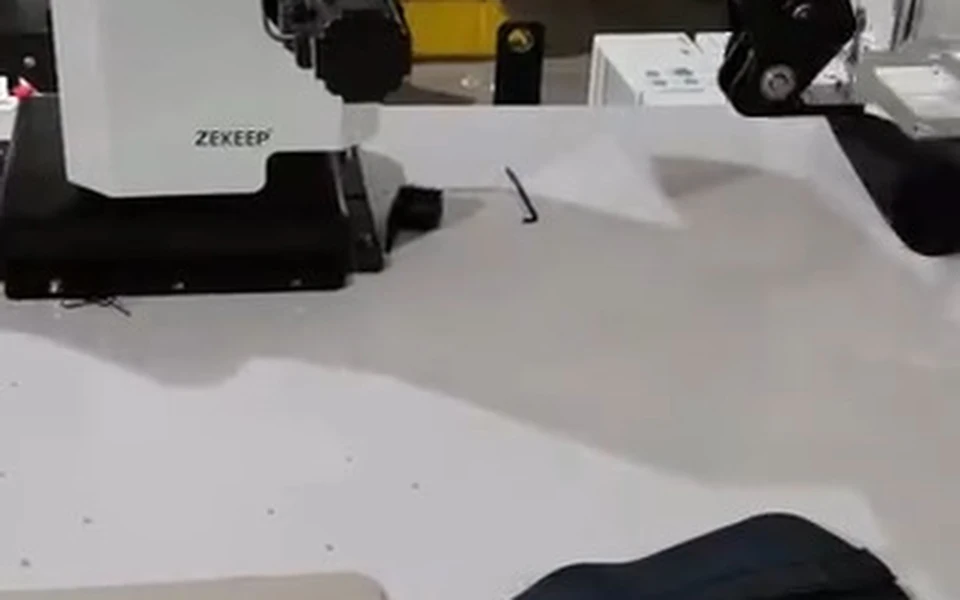
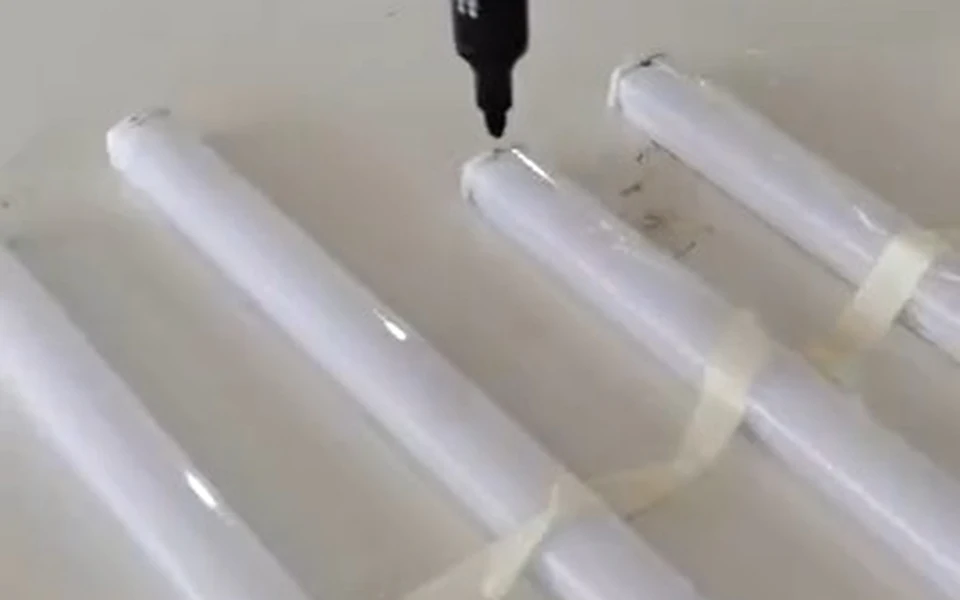
ZEKEEP carried out a robot path simulation using samples supplied by a customer. A pen-shaped substitute tool followed the sample geometry; no adhesive was dispensed. The trial brought part positioning, tool location and the motion path together as a starting point for a dispensing-cell proposal.
Sample trials help determine whether the tool can reach the intended locations, how the path negotiates the component geometry, and how straight sections connect with corners. Needle length and mounting also deserve early attention: a fixture or an inaccessible feature can make an otherwise plausible layout impractical.
The work completed here was a sample-path simulation with a substitute tool. Building a complete dispensing workstation would additionally require selecting the valve, material supply and control units, then commissioning the process with the actual adhesive and checking bead formation, curing and assembly requirements. Separating these stages helps a manufacturer establish the configuration and investment progressively.
Watch the customer-sample path simulation
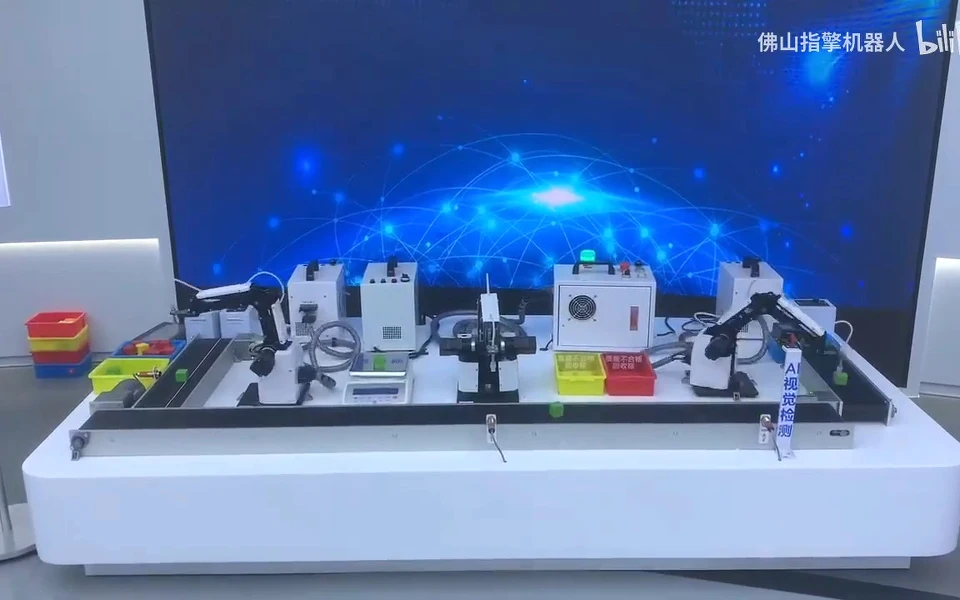
In a proposed economical cell, the robot generates the tool path, a fixture establishes the workpiece datum, and the valve and supply unit control material delivery. The control system coordinates motion with dispensing commands. Depending on the adhesive, suck-back, needle cleaning and residual-material collection may also be appropriate.
Corners are an important commissioning point. If travel speed changes while flow remains constant, the deposited amount per unit length can change. A future cell therefore needs coordinated settings for travel speed, valve response and material behavior, including start, corner and shutoff transitions. Tool clearance, adhesive temperature and supply pressure can also affect the bead.
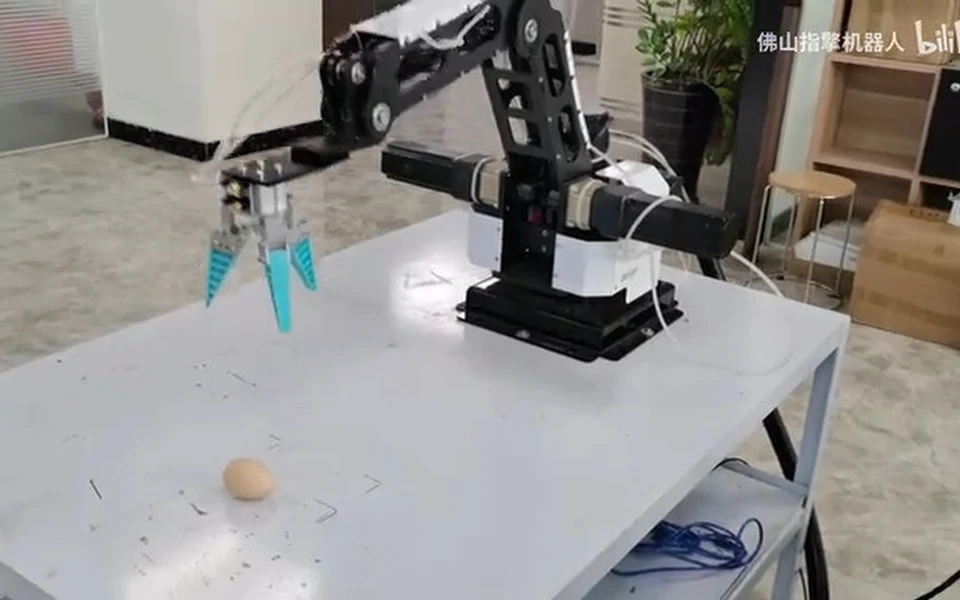
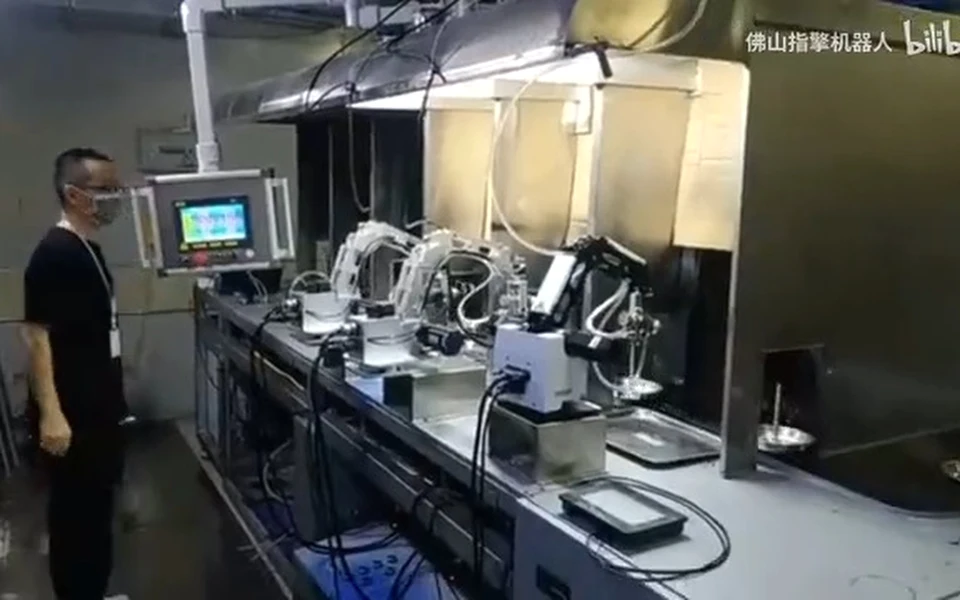
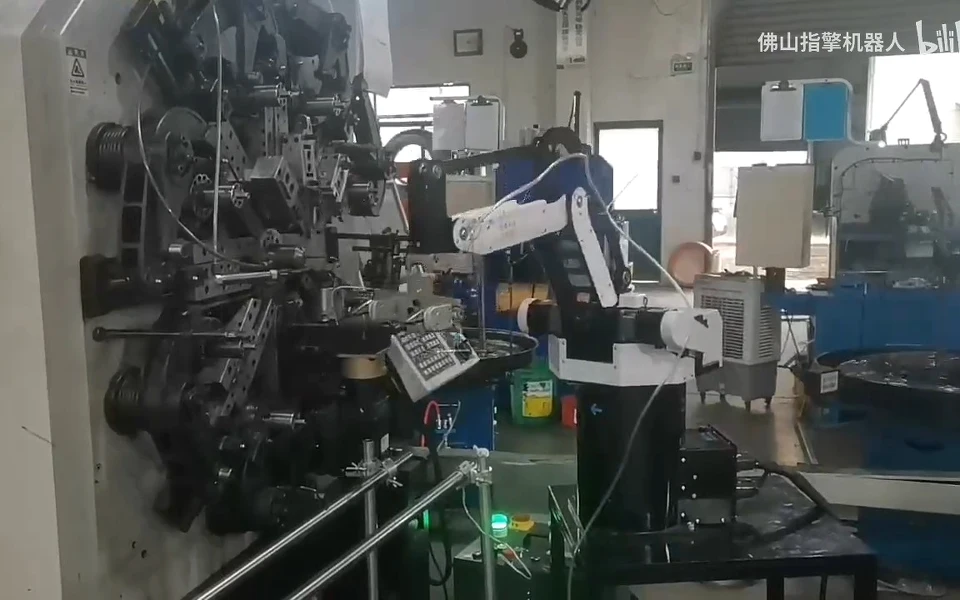
Robot selection starts with the process. The current 3060H three-axis servo robot, rated at 2 kg with a maximum working radius of 497 mm, is a candidate where independent end rotation is unnecessary. The 4060H four-axis servo robot adds end rotation and is rated at 1 kg with a 592 mm working radius. The valve, adapter and moving accessories all count toward payload. Center of gravity, inertia and the actual path must also be assessed; part dimensions or axis count alone do not establish suitability.
For related enclosure or component designs, replaceable locating elements, separate path programs and matched dispensing settings can help reuse the robot and material-supply equipment. First-piece checks after a changeover should confirm positioning, dispensing and assembly before continuous production begins.
An initial cell could combine manual loading with robotic dispensing, leaving replenishment, inspection and material handling to the operator. Once demand and the process are stable, a manufacturer can assess dual-station fixtures, conveyors or vision positioning. Phased investment helps keep occasional requirements from driving unnecessary equipment purchases.
The budget should include the robot, valve and supply equipment, fixtures, control integration, safeguarding, installation, commissioning and training. Comparing robot prices alone misses much of the cell cost.
Annual benefits can include achievable reductions in labor expenditure, material and rework savings, and contribution margin from additional saleable output. Subtract incremental consumables, energy and maintenance to estimate annual net benefit. Avoid counting the same gain repeatedly as a cycle-time, output and labor saving.
Simple payback period = total cell investment ÷ annual net benefit. Reassigning an operator does not necessarily reduce payroll, and spare capacity does not automatically create orders. Populate the model with actual shifts, demand and cost data. Where the estimated net benefit is positive, use it as an initial screen, then consider ramp-up time, downtime risk and the cost of capital.
A sample-based path trial can be a practical first step toward flexible dispensing automation. Manufacturers evaluating enclosure sealing, component bonding or local adhesive application can contact ZEKEEP with sample drawings, material characteristics, bead requirements and a target cycle time. This establishes a basis for discussing feasibility and configuration before committing to the investment.
Further reading: Robot linear and circular paths.
Add our technical expert on WeChat, or submit your process requirements. We'll provide a free automation feasibility and ROI assessment report.