Evaluate array tooling through matched fixture pitch, complete moving load, missing-part handling and controlled release rather than assuming multiplied output.
Key Result 1
Key Result 2
Key Result 3
When several positions on a tray must be transferred into a receiving or processing fixture, individual handling repeats the approach, withdrawal and travel for every component. An array tool offers another arrangement: move several parts across the gap in one transfer. Simultaneous pickup is only the starting point. Pitch, receiving positions, combined load and incomplete groups determine whether the concept becomes a dependable process.
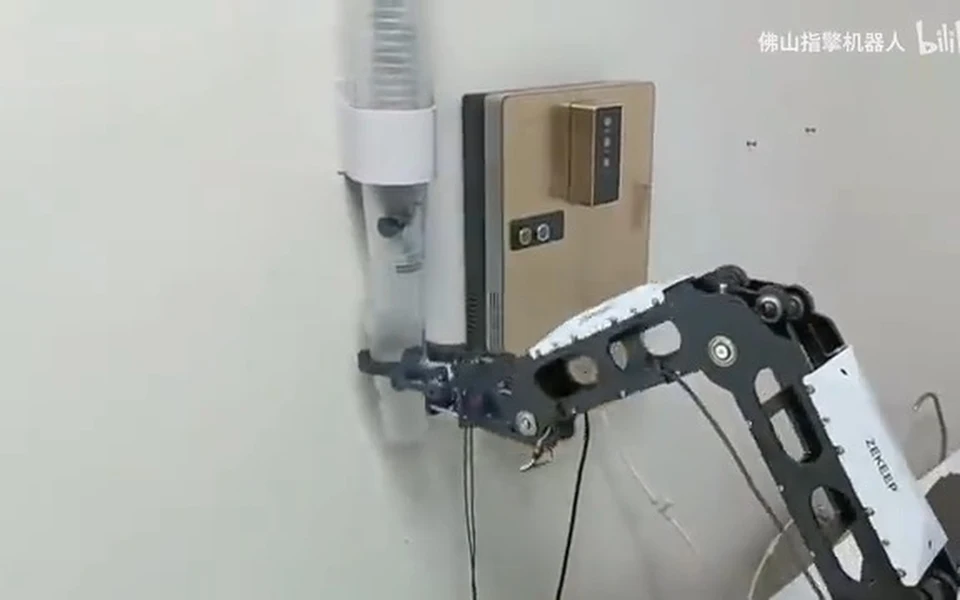
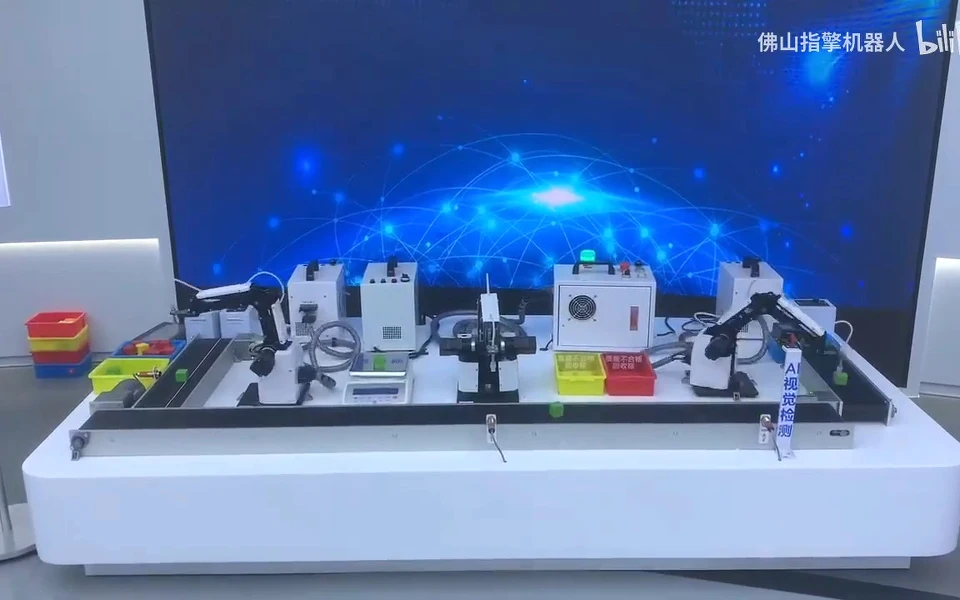
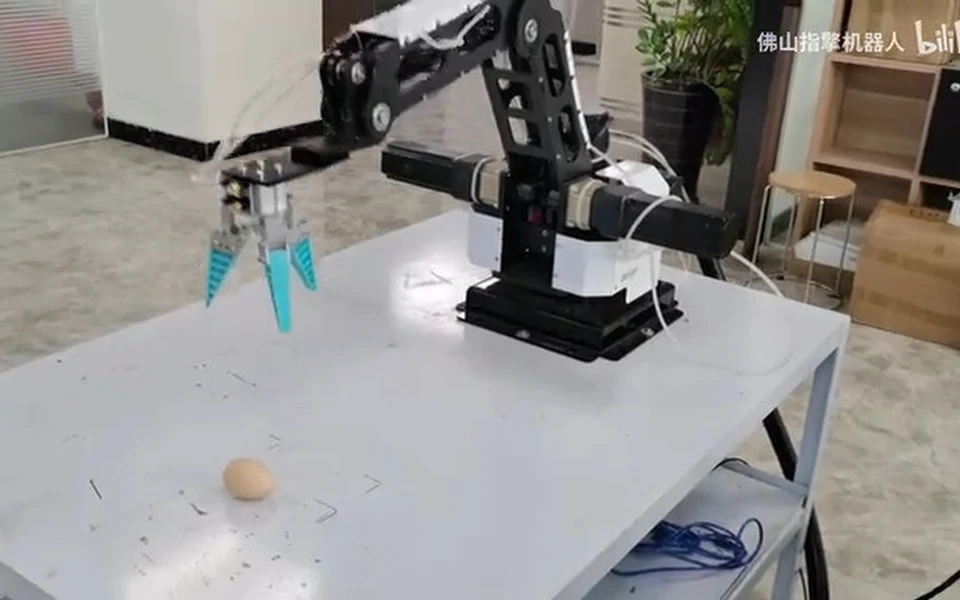
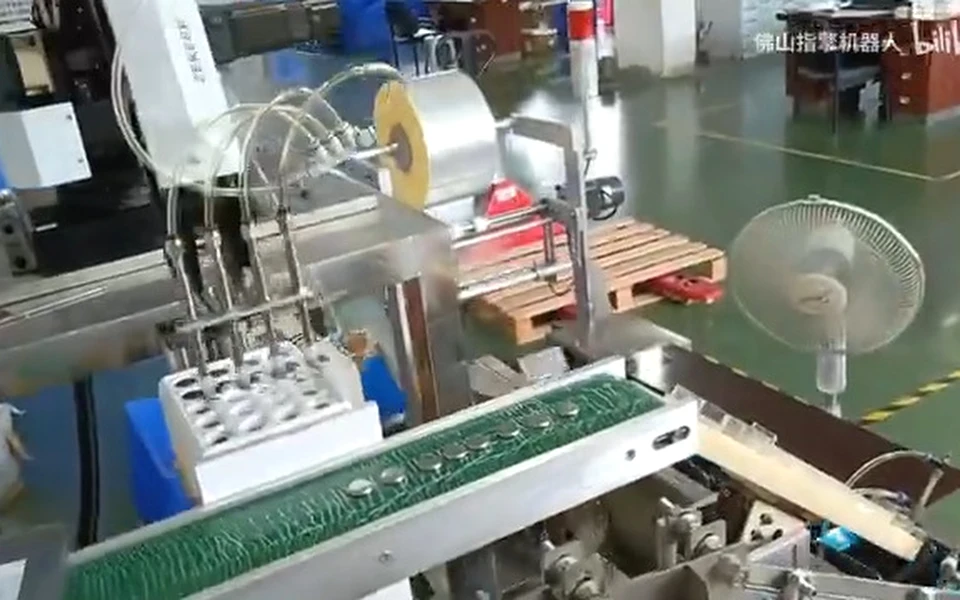
ZEKEEP's array-handling application brings together multiple pneumatic lines, an array end tool, a white multi-pocket tray and equipment-side tooling. The useful design question is how the complete group changes hands, rather than how many cups can be added to a familiar single-part program.
Matching source and destination pitch can support a fixed array tool. Different spacing may call for variable-pitch tooling, an intermediate conversion fixture or smaller groups. Variable pitch adds moving mass, control and maintenance requirements, so it should follow a demonstrated need rather than be included by default.
Part height and contact surfaces also affect shared pickup. One cup may contact first while another remains above its part. Depending on the component, compliance or independent support may help, but the accommodation range must remain compatible with positioning requirements. Larger tool spans make stiffness and mounting accuracy increasingly important.
Consider a preliminary selection example: a tool plate, cups, valves and connections together weigh 1.4 kg, and eight parts each weigh 0.1 kg. The combined mass is 1.4 + 8 × 0.1 = 2.2 kg. Although each component is light, a robot rated at 2 kg already fails that initial mass check. Any additional moving accessories must also be included.
Mass is not the only constraint. Tool overhang, an offset center of gravity, rotational inertia and acceleration affect the required capacity. A compact and a wide-span tool can impose different demands at the same total weight. Selection therefore needs the tool arrangement and actual paths, not simply the statement that each part weighs 100 g.
Where independent in-plane direction adjustment is needed, the 4090H four-axis servo robot is a candidate, with a 3 kg rated payload and 717 mm maximum working radius. Without independent end rotation, the 3090H three-axis servo robot offers a different candidate: a 5 kg rating and 625 mm maximum working radius. Their axis arrangements, reach and payload priorities differ. The example calculation does not establish suitability without checking moments, inertia and operating conditions.
In a shared vacuum circuit, an empty or leaking position can affect retention elsewhere. Depending on the tool, separate zones, individual detection or leakage-limiting measures may be appropriate. Their configuration should follow the contact conditions, number of positions and project requirements. The important state is whether the group can be handed to the next operation, not merely whether a common valve has been energized.
For a missing part, the design might stop the entire group, permit a defined partial transfer or replenish the missing position. The receiving process determines which response is acceptable. A fixture that processes every position together may require a complete group before handoff. Pocket state must remain consistent if an operator removes some parts during recovery.
Opening several vacuum channels together does not guarantee that every part settles correctly. Locating features, individual contact heights, residual adhesion and surface condition can delay one release. Validate approach, seating and withdrawal at low speed first. Tool-specific zoned release or holding actions may be useful where required; a longer fixed delay should not conceal an unresolved mechanical problem.
The equipment interface should distinguish fixture ready, permission to enter, material accepted and robot clear. An array tool occupies more space than a single gripper, so adjacent tooling, stops, tubing and guards belong in the clearance assessment. Replenishment, tool exchange and cleaning access also require a whole-cell safety design.
Multi-part transfer does not inherently multiply production by the number of components carried. Preparation, processing waits, group confirmation and recovery can become the limiting operations. Compare complete cycles for individual and grouped handling using the same material. Assess acceptable transfers, changeover effort, maintenance and interruption causes before selecting the array size or adding a buffer tray.
For changeover, associate the tool, source pattern and receiving fixture in a consistent recipe. The first group should verify every position, not only the center. To discuss an application, prepare both fixture drawings, group size, individual mass, contact restrictions and downstream completeness requirements. Contact ZEKEEP with these inputs. The related robot payload and selection guide helps organize the complete load, center of gravity and motion path for that discussion.
Add our technical expert on WeChat, or submit your process requirements. We'll provide a free automation feasibility and ROI assessment report.