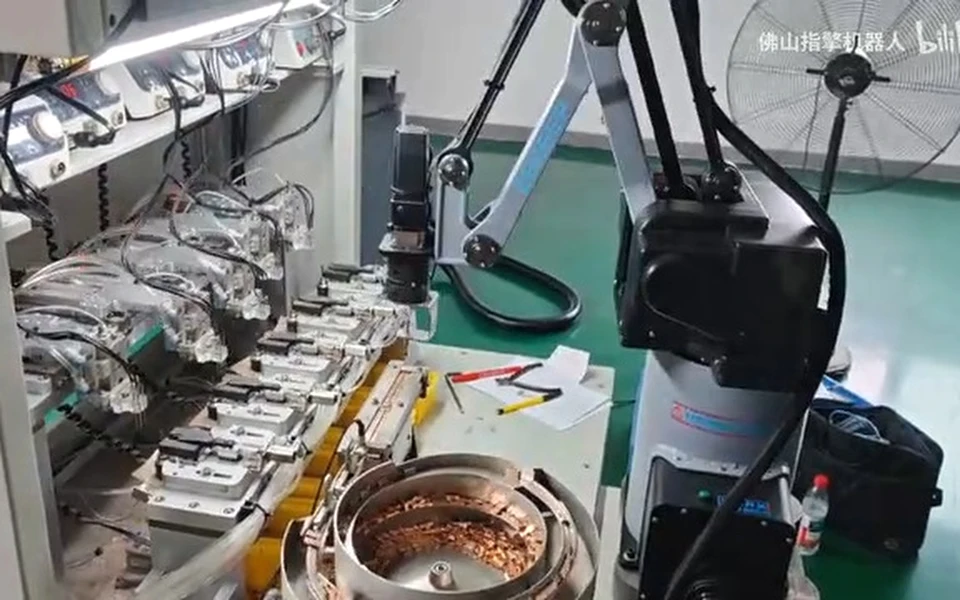
Reduce unexplained waits in bowl-fed robot cells by defining outlet conditions, fixture states, tool access and practical recovery priorities.
Key Result 1
Key Result 2
Key Result 3
The feeder is vibrating, yet the robot waits at the pickup point. One processing fixture has finished while another remains occupied. In small-parts automation, such pauses often arise because “material available,” “ready to pick,” “ready to receive” and “ready to process” do not mean the same thing. Placing a bowl feeder, robot and several fixtures on one bench does not by itself establish coordinated operation.
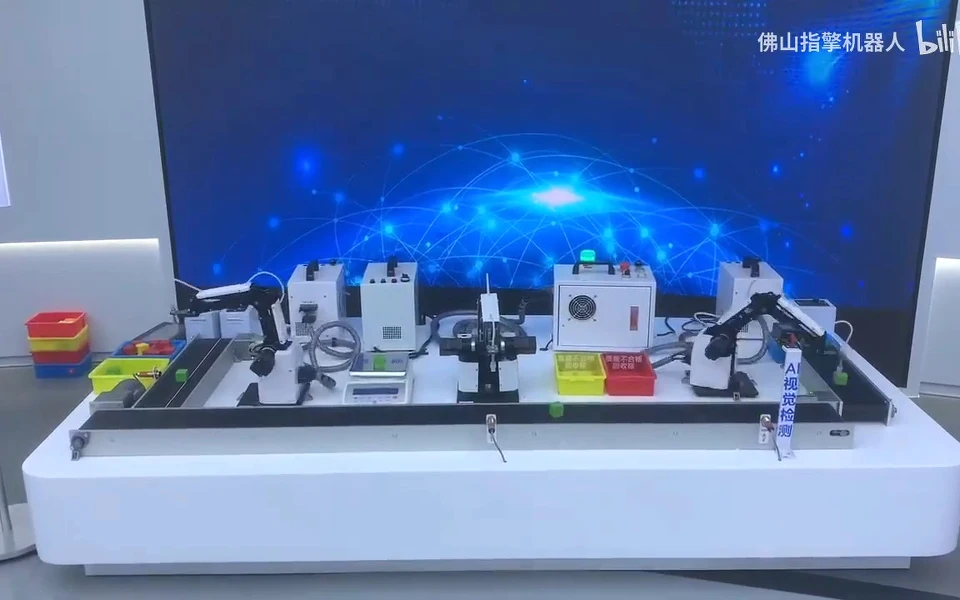
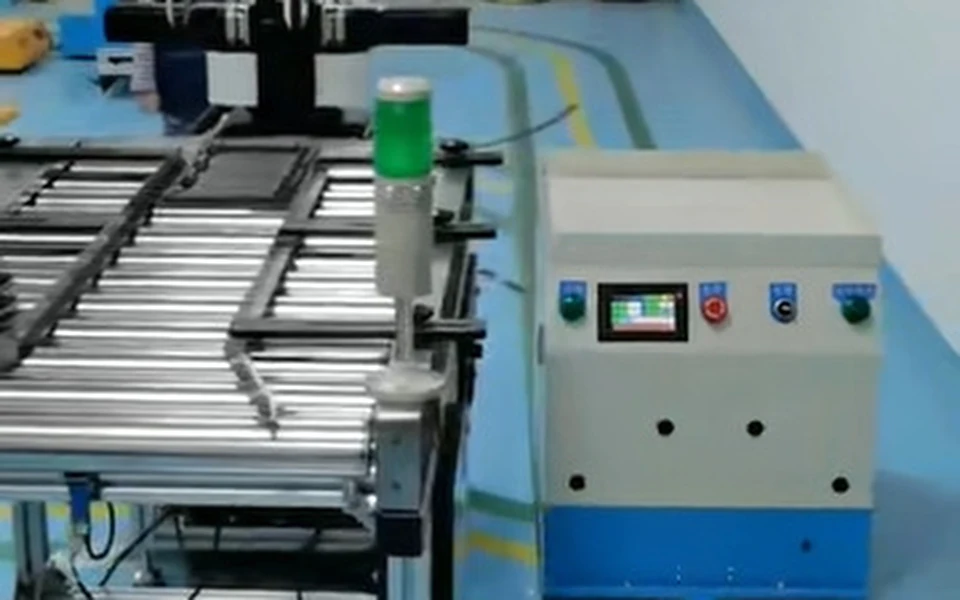
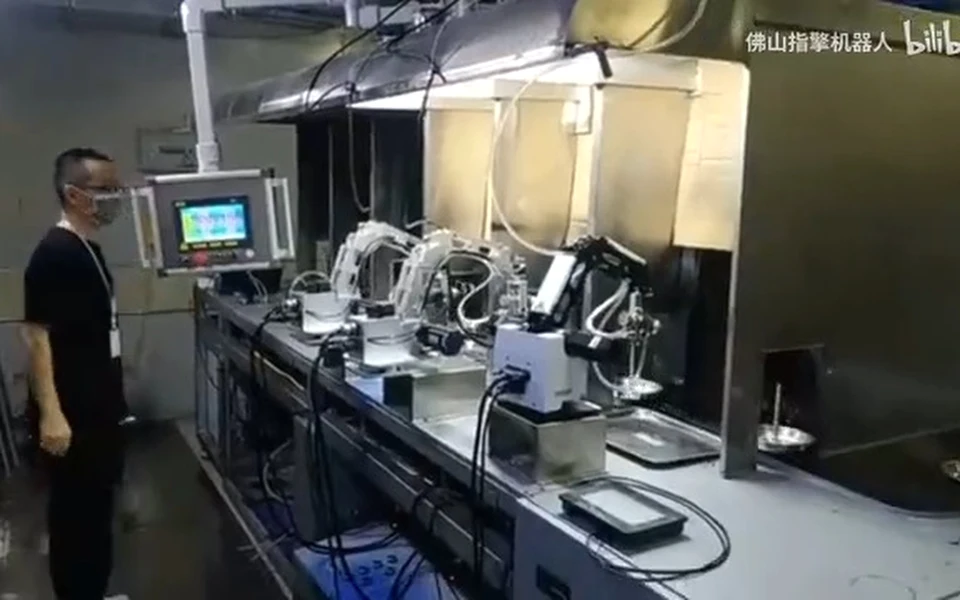
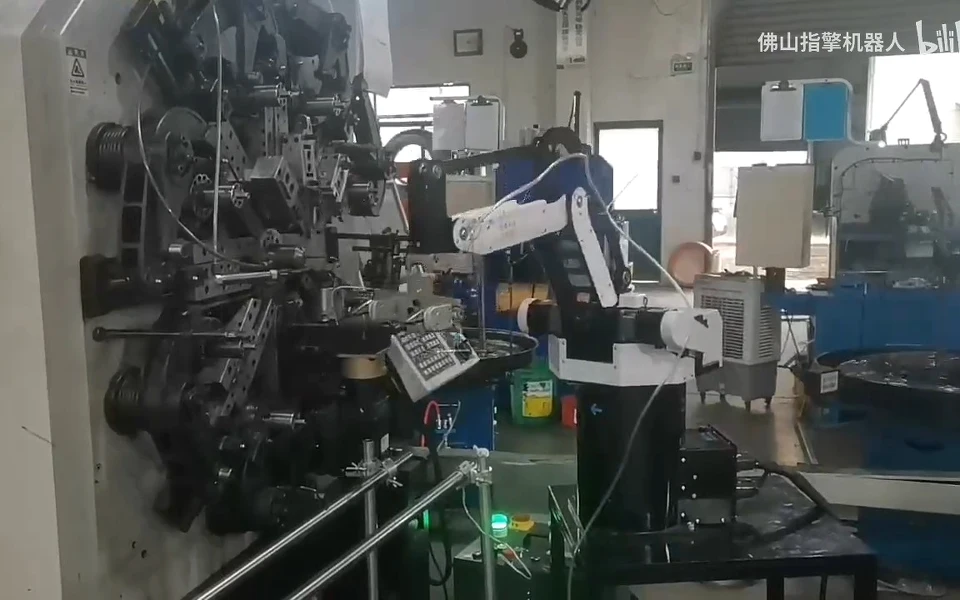
ZEKEEP's multi-position handling applications connect circular feeding equipment, rows of locating fixtures, pneumatic services and a robot. A separate workshop arrangement brings feeding, transport, controls and material circulation together. For comparable processes, a useful design starts by assigning responsibilities and explicit handoff states to each device.
A bowl-feeding system organizes parts according to their physical features. The final pickup position must present the correct direction, location and quantity. Track blockage, overlap, pressure at the outlet and parts moving back can all separate material upstream from a usable component at the tool.
Stops, separation features and presence sensing should follow the actual sample. Dimensional variation, oil, burrs and entanglement need trial conditions. Appearance parts also require attention to contact and impact along the feeding route. An unstable outlet is usually better addressed through feeding and location improvements than by repeatedly increasing the robot's waiting delay.
A proposed multi-station cell can distinguish empty, prepared, processing, completed and fault states for each fixture. Before transfer, the robot needs both a valid source part and a destination ready to accept it. Processing completion does not automatically mean that clamping has released or that tool entry is permitted.
Scheduling can begin with explicit priorities rather than a complicated optimization system. Decide whether completed parts should leave first, how long a station may wait and whether unaffected positions can continue after one station faults. The priorities must respect the process sequence; continuous motion is not a reason to bypass an unfinished operation.
Independent stations may justify limited buffering or a bypass. Closely linked sequential operations may instead require a controlled order. In either case, the system should identify where each part is and its current state so that recovery does not depend on an operator remembering the previous move.
The feeder provides a repeatable pickup reference, the receiving fixture constrains the part for processing, and the robot transfers between them. This division avoids expecting the robot to supply every locating, clamping and process-support function. Where processing requires force or precise contact, a suitable dedicated mechanism may be necessary.
The tool must fit both the feeder outlet and the most restricted fixture. Check access to locating surfaces, withdrawal clearance and tubing near moving equipment. A product change may affect tracks, fingers and locating blocks together. Those items belong in a changeover plan, not only in a new robot program.
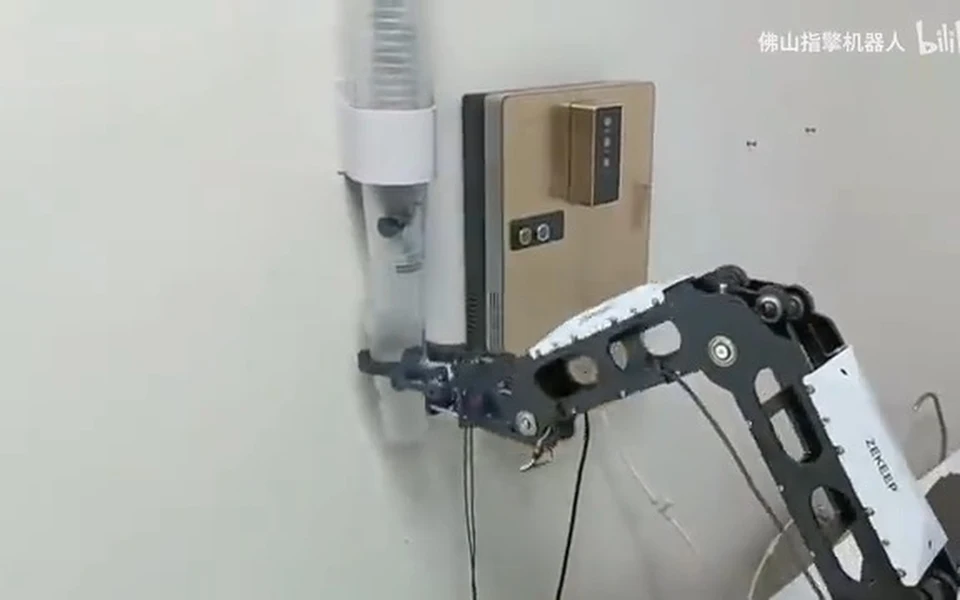
For lightweight transfer with a constant tool direction, consider the 3060H three-axis servo robot, rated at 2 kg with a maximum working radius of 497 mm. Where fixtures require independent in-plane direction changes, compare the 4060H four-axis servo robot, rated at 1 kg with a 592 mm maximum working radius. These current product options do not identify the exact historical equipment configuration.
Include tooling and parts in the load assessment, then validate the farthest fixture, innermost pickup point and clearance moves. If reaching one final position forces a restricted working posture, changing the layout or reducing the cell's scope may be preferable. Arranging equipment around a workable robot space is generally easier to maintain than inserting a robot into an already constrained bench.
During trials, separate waits for material, fixtures and downstream equipment from pickup faults and manual recovery. Compare them with processing times. A faster robot contributes little when the outlet is frequently empty. Where processing waits dominate, parallel fixtures may deserve evaluation, together with their added buffering, work in progress and recovery requirements.
Acceptance should also cover shortage, jams, one-station faults, changeover and recovery after a power interruption. Define when operators may safely enter for replenishment or correction. Ordinary process signals coordinate devices; personnel protection requires an appropriate whole-cell risk assessment and safety design.
For an existing feeder or multi-fixture operation, prepare samples, the outlet presentation, station process times, available space and interface information. Discuss a machine-tending cell with ZEKEEP. The related guide to robot production-line interfaces and states helps turn unexplained waits into identifiable engineering conditions.
Add our technical expert on WeChat, or submit your process requirements. We'll provide a free automation feasibility and ROI assessment report.