
Present and handle the part
Trial the feed position, gripper and loading orientation around chips, coolant and available clearance.
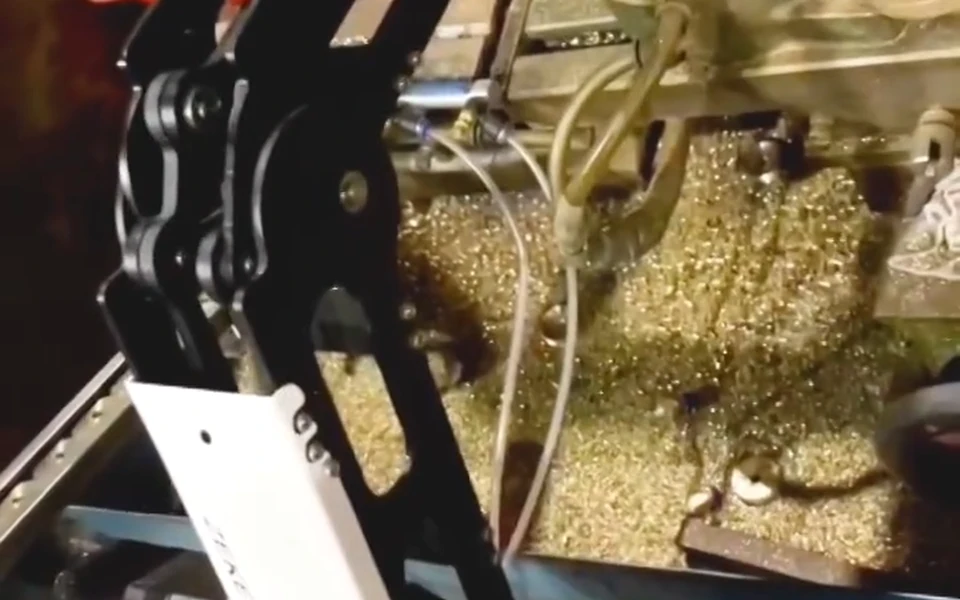
CNC Machine Tending
Start with one machine. Give a compact robot the repetitive loading and unloading so operators can focus on changeovers, checks and part quality.
Follow a part from blank to finished piece. Identify where the machine waits, then test with real parts before choosing what to automate.
Trial the feed position, gripper and loading orientation around chips, coolant and available clearance.
Check door position, clamp confirmation, cycle complete and permission to unload.
Review fixture changes, recovery after a stop and conditions for operator takeover.
Measure door travel, loading, machining, unloading, waiting and changeover with real parts. Track overlapping steps separately and validate a representative full cycle.
Validate process signals and safety permissions separately. Check available interfaces, equipment condition and safeguarding on existing machines.
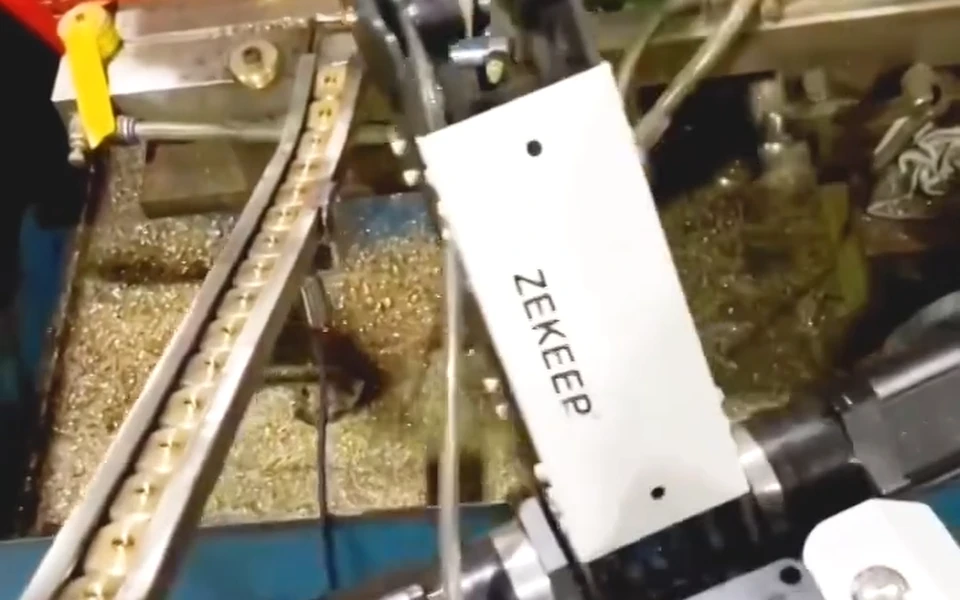
Consider three-axis servo motion for fixed-orientation transfers and four axes when parts need turning. Check tooling mass, centre of gravity and usable reach.

MODEL: 3060H
Consider the 3060H for fixed-orientation transfers. Check total part and tooling mass and clearance at the chuck.

MODEL: 4060H
Consider the 4060H when the part needs reorientation after the pick. Check clearance and combined load.

MODEL: 4090H
Consider the 4090H for a heavier part-and-tool combination that requires reorientation. Verify usable reach and centre of gravity.
Published demonstrations show feeding and part handling and give your team a starting point for a retrofit review.
Use these guides to review production signals, PLC integration and arm sizing.
Share the machine model, a part drawing or a short video. Tell us your current cycle, part mix and the delay you want to address.
Start with door, clamp and cycle-complete interfaces, machine condition, installation clearance and safeguarding. Confirm the retrofit in the actual workcell.
Group parts by geometry, fixture reference and changeover requirements. Validate representative sizes to establish what the cell can share.
Measure doors, clamping, machining, part transfers and waiting together. Maximum arm speed does not predict total cycle time.
Agree signal states, recovery responsibilities and operator takeover before integration, then validate them in the workcell.

