
Rule-based vision
Start with optics and clear rules for consistent outlines, positions, dimensions or features.
AI Vision Inspection & Sorting
Connect inspection, part locating and robotic handling in one workcell. Start with real samples to define what to detect and where each part should go.
Look at which defects are visible, how parts arrive and where each part must go. Then choose the vision approach.
Start with optics and clear rules for consistent outlines, positions, dimensions or features.
For complex surface variation, use representative good and defective samples and validate with independent samples.
Use lighting, imaging and calibration to locate parts. Convert the result into a pick position, then coordinate conveyors and robots to send parts to accept, review or reject routes.
Agree how to measure inspection performance, missed defects, false rejects and throughput. Validate against actual parts and operating conditions.
Evaluate the integrated vision and palletizing workstation for combined inspection and routing. Choose stand-alone arms around tooling, layout and task.

Evaluate positioning, inspection, sorting and palletizing for parts such as molded plastics. Select camera, lighting and conveyor configuration around actual samples.

MODEL: 4060H
Consider the 4060H when the part needs reorientation after the pick. Check clearance and combined load.

MODEL: 4090H
Consider the 4090H for a heavier part-and-tool combination that requires reorientation. Verify usable reach and centre of gravity.
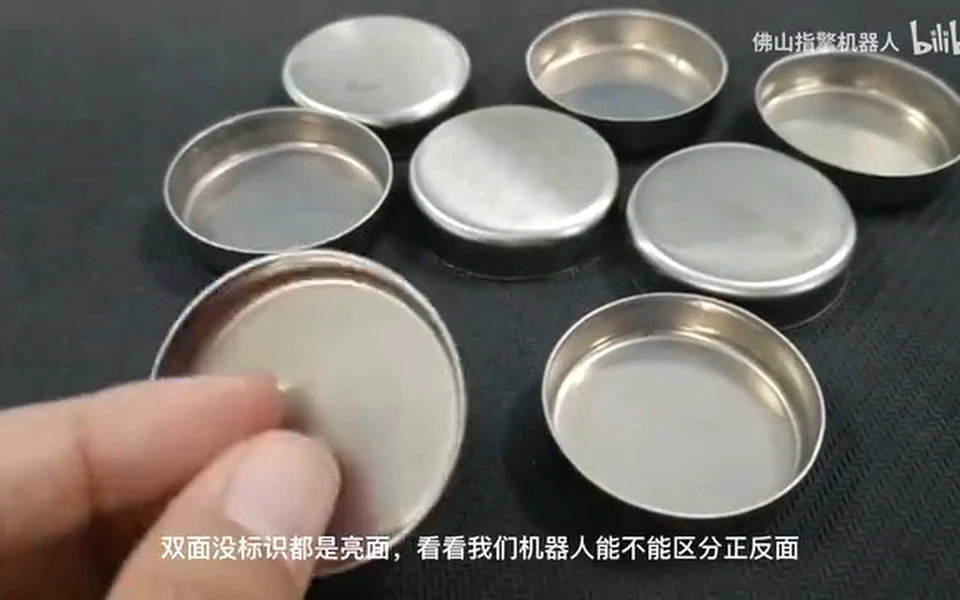
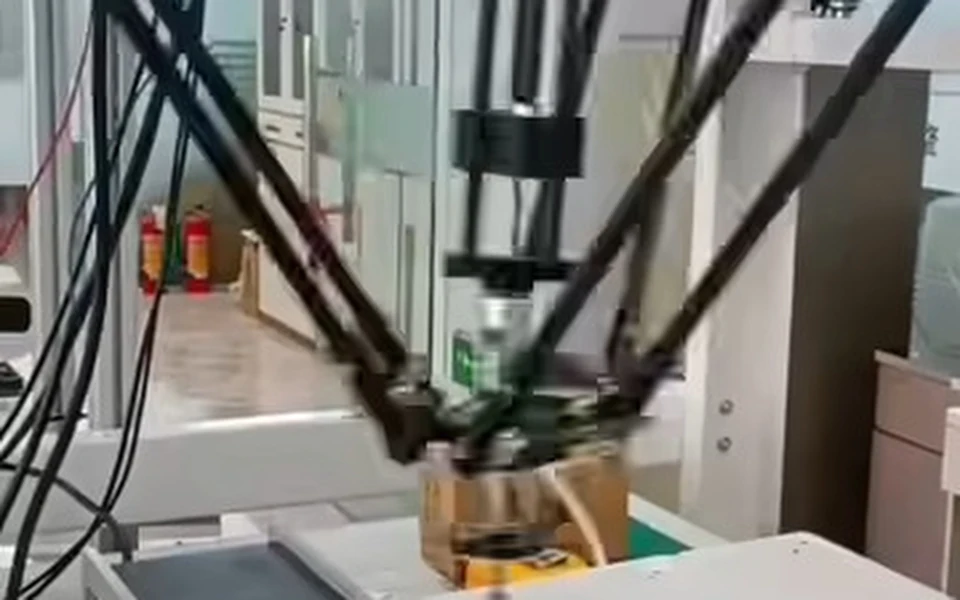
Reflective round parts and Delta conveyor examples illustrate two practical sorting challenges.
See how imaging, decisions and part handling come together for reflective round parts.
See how incoming parts on a conveyor are coordinated with vision and Delta robot picks.
Review imaging, lighting, calibration, coordinate conversion and the gripper.
Share photos of good and defective parts, plus material, dimensions, part presentation, cycle target and sorting destinations.
Trial lighting, optics, background and orientation with real parts. Feasibility depends on whether the features are visible and repeatable.
If clear rules cannot cover complex variation, use representative samples to evaluate a learned model and confirm with independent validation.
Define distinguishing features, routing destinations and part tracking, then test conveyor movement, picks and routing together.
Set a review or reject route and validate how uncertain parts and false rejects are handled downstream.

