Plan kettle and curved-container labeling around product datums, robot transfers, applicator handshakes and practical SKU changeovers.
Key Result 1
Key Result 2
Key Result 3
A slight change in a container's orientation can move a label away from its intended face. A handle may interfere with the locating fixture, while a compliant wall can deform under the tool. For kettles and containers with curved surfaces, handles or decorative finishes, labeling automation starts with presenting each product in a repeatable condition and controlling where it goes after application.
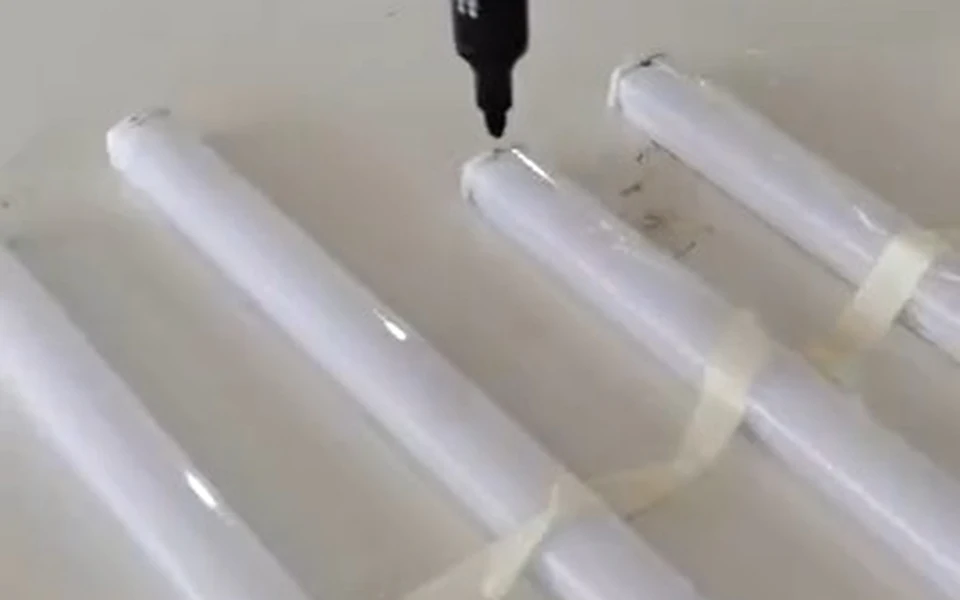
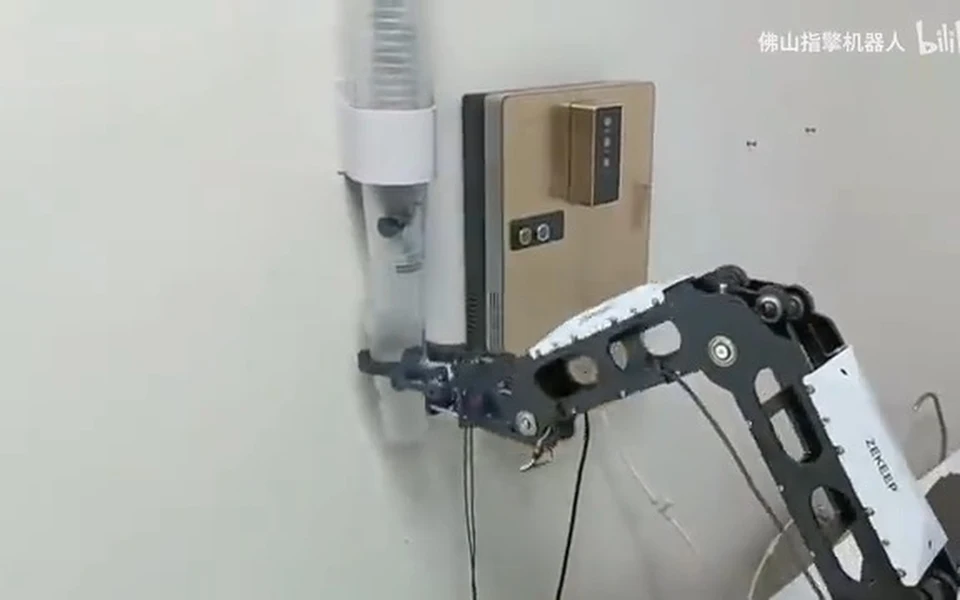
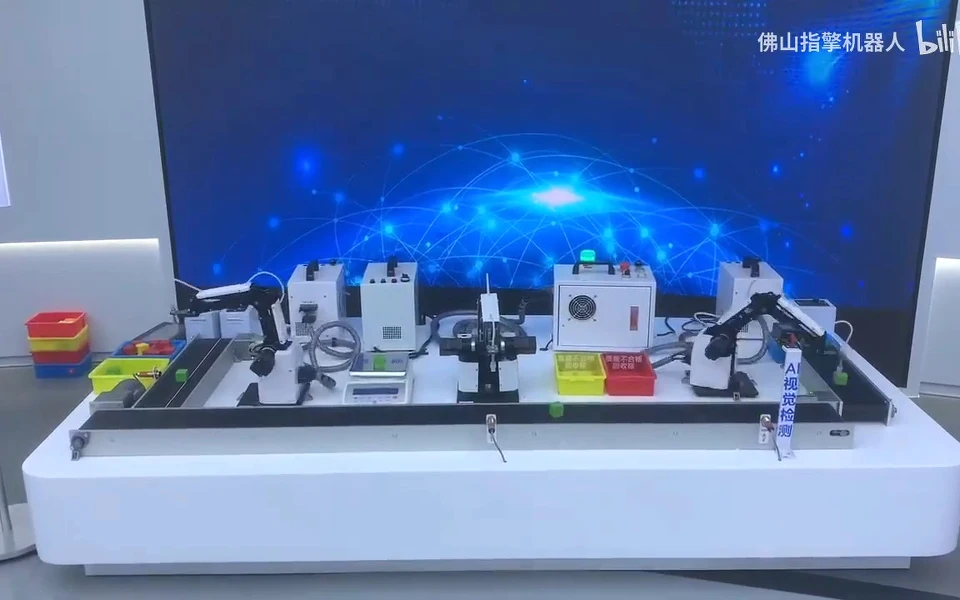
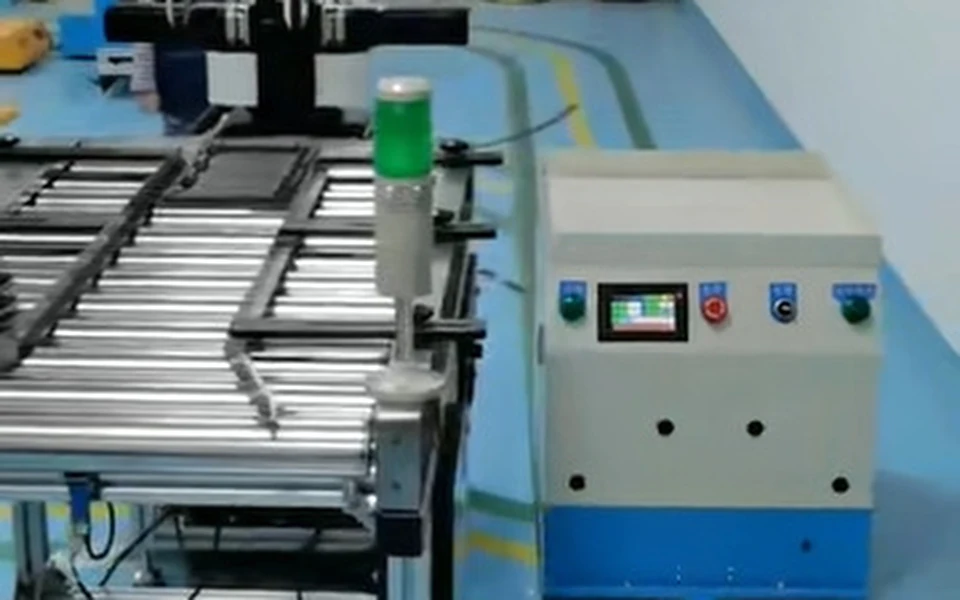
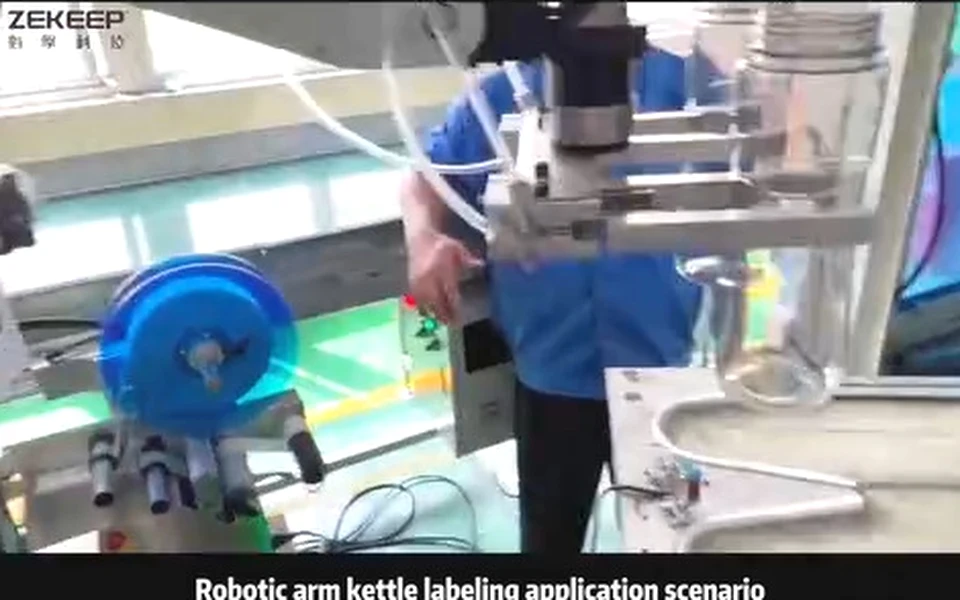
ZEKEEP's kettle-labeling demonstration combines a robot, green conveyor, label roll and roller equipment in neighboring work areas. A proposed cell can organize these functions around incoming orientation, label-station acceptance and finished-product output. The robot handles flexible transfer or planar reorientation, while the labeling equipment performs the feeding and application actions appropriate to its mechanism.
Begin with an accepted sample. Is the label located relative to the handle, spout, base edge or another physical feature? How will allowable variation be assessed? Does the same reference remain valid when a product family changes capacity? These answers determine what the fixture and tool need to constrain.
A stable base may support a bottom nest with side location. A flexible wall requires care so that clamping does not alter the labeling surface. Handles, lids and appearance-sensitive areas are not arbitrary load-bearing points. If incoming products have no consistent orientation, compare ordered feeding, mechanical orientation and vision assistance against the actual range of products instead of adding all three by default.
Surface cleanliness, flatness and material condition also influence application. Correct robot positioning cannot compensate for oil, moisture, an unsuitable label material or incorrect applicator settings. Separate the responsibilities of handling, location and label application so commissioning can identify the source of a quality problem.
In a typical arrangement, a conveyor presents the container at a defined pickup position. The robot transfers and, where required, rotates it in the plane before placing it into a nest or the applicator's receiving mechanism. After application is complete and removal is permitted, the robot transfers the finished product to the output position.
The division depends on the actual labeler. One cell may use the robot only for loading and unloading; another may require coordinated repositioning under specified conditions. A rolling wraparound application needs suitable rollers, a rotary fixture or another dedicated mechanism. Planar rotation on a four-axis arm is not arbitrary tilting or labeling of every curved surface. Multiple spatial faces may require a different orientation arrangement.
Useful handshakes can cover part arrival, receiver availability, container restraint, labeler ready, operation complete and permission to remove. A missing label roll, backing-paper problem or equipment alarm should leave the container in a known state rather than send untreated products into the accepted output. Available alarms and interfaces must be confirmed with the selected labeler.
Container height, shape, center of gravity, label dimensions and target position can all change between SKUs. Link replaceable tool contacts, locating blocks, applicator adjustments and recipes to the relevant product. Complete a first-piece check before returning to continuous operation. This provides a repeatable method rather than relying on an experienced operator to find the position again.
Roll changes, cleaning and inspection also need access. A layout that shortens robot travel but blocks the roll holder or service route can make routine work harder. Plan replenishment, sample checks and exception handling alongside the automatic cycle.
Cell trials can record presentation consistency, label position, adhesion, exception routing and changeover steps separately. Then assess waiting during repeated cycles. If application dominates the cycle, faster robot movement may not increase accepted output. Upstream preparation and sensible buffering may offer a better starting point. Include fixtures, feeding, interfaces and safeguarding when considering investment.
For light containers requiring planar reorientation, assess the 4060H four-axis servo robot, rated at 1 kg with a 592 mm maximum working radius. For heavier tooling or a larger envelope, compare the 4090H, rated at 3 kg with a 717 mm maximum working radius. Validate complete tool and part mass, center of gravity and the motion path. More regular small housings may benefit from the fixture-based labeling approach, although the container fixture itself should not be copied unchanged.
For a container-labeling assessment with ZEKEEP, provide actual containers and labels, an accepted application sample, the existing labeler's interfaces, SKU count and changeover frequency. These inputs help define the robot's role and identify the first handling steps worth automating.
Add our technical expert on WeChat, or submit your process requirements. We'll provide a free automation feasibility and ROI assessment report.