Receiving a robot is only the start of putting it to work. The customer still needs to match the arm with its controls, prepare a mounting surface, route connections and decide how tool and peripheral commissioning will begin. Effective handover therefore concerns both physical transport and the transfer of a clearly identified machine condition and configuration.
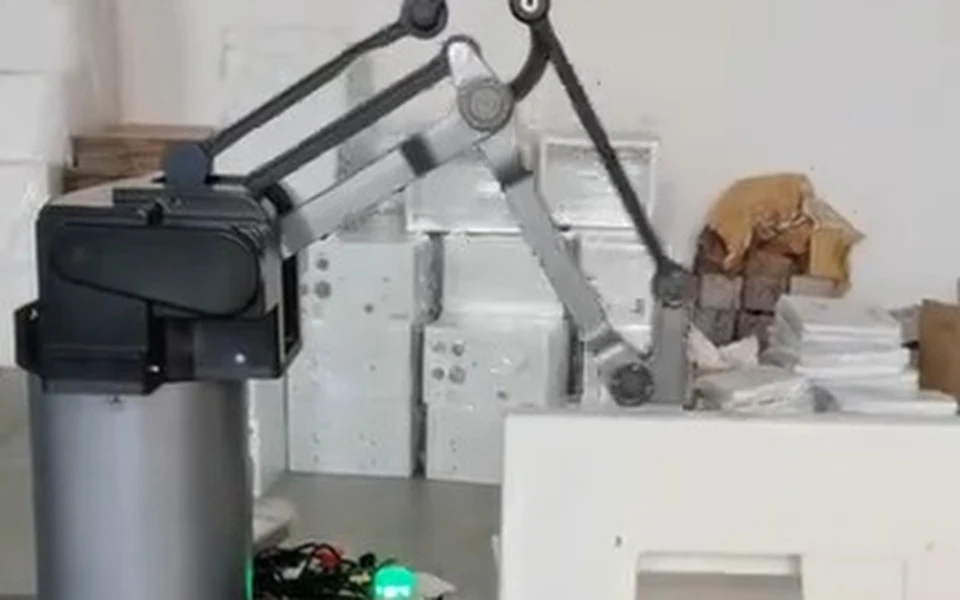
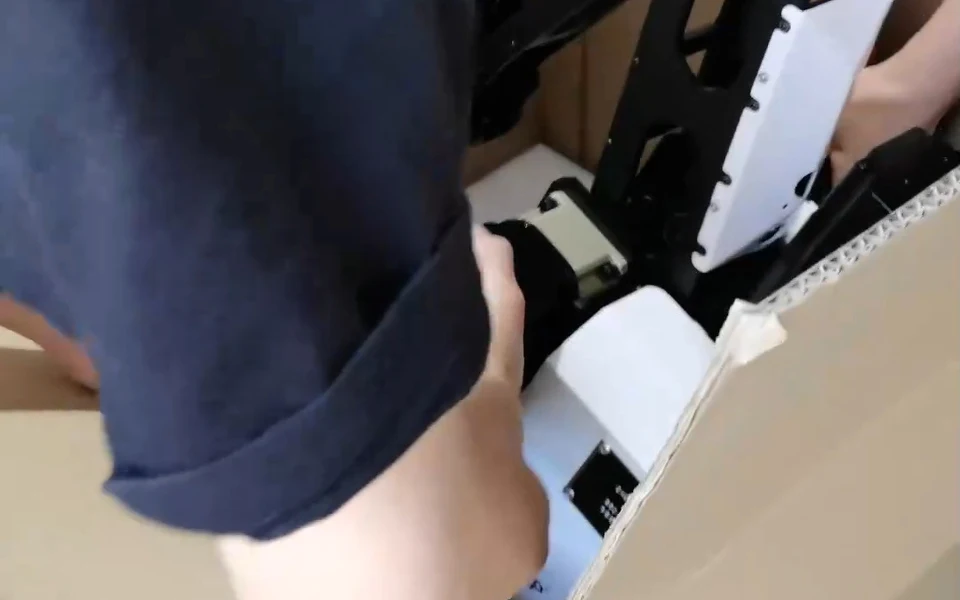
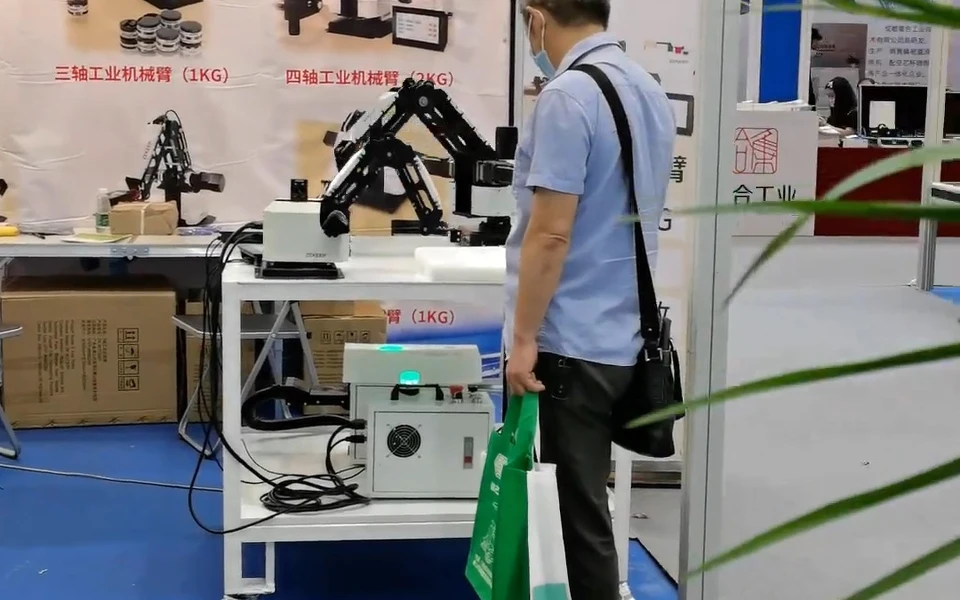
ZEKEEP's inspection-related display published in December 2021 includes joints, a base and a paper product-test record. A separate record published in March 2022 includes complete machines in the workshop and personnel packing equipment. Connections, condition records and protective packing provide concrete links between product preparation, transport and the customer's installation needs.
Make the machine condition usable at the next stage
Links, joints and the base form the main structural connections. Fasteners, exposed drive components and cables also affect installation and maintenance. An appropriate check goes beyond a tidy appearance: it follows the model's requirements for fastening, cable retention, movement clearance and accessory condition. Motion and performance checks require their applicable conditions and actual records.
A product-test sheet gives machine condition a reference that later teams can inspect. Test items, equipment conditions and findings need to remain associated with the machine rather than be reduced to a general “tested” label. Connecting identification, configuration and the handling of any findings makes subsequent communication more precise.
Match packing and handling to the mechanism
Compact arms can fit smaller workstations, but their links, tool ends and connections still need suitable protection. Moving a complete machine from the workshop into a carton introduces a different set of support and restraint requirements.
Preparation should follow the model's transport instructions for posture, lifting points and restraint. Cables or exposed parts that are not intended to carry handling loads should not become lifting points. Cushioning and internal fixing need to work together, while accessories require appropriate separation to limit contact during transport. Moisture and surface protection depend on the journey and storage conditions; one generic filling arrangement is not a complete packing design.
Keep the supplied configuration model-specific
For the current 60H servo series, including the 3060H and 4060H, the official complete-machine list includes the robot, control cabinet and 7-inch teach pendant. That does not establish the same package for every educational robot, stepper model or custom project. Tools, sensors and other options require their own project list.
The configuration list can also guide site preparation: cabinet position, pendant access, cable routing and peripheral interfaces. This connects the contents of the package with installation needs, allowing the customer to address relevant conditions before the equipment arrives rather than discover them while unpacking.
Commission progressively after receipt
The receiving team can compare package condition, machine identification and supplied items, then prepare power, the mounting surface, environment and operator space according to the equipment requirements. Follow the relevant documentation for connections and basic operation. Establish the arm and controls first, then add the end tool and peripherals instead of changing every part of the system at once.
Adding tooling requires a renewed assessment of moving mass, centre of gravity and the path. Smooth unloaded movement does not establish suitability inside the customer's machine. The payload and complete-motion selection guide helps organize the conditions for this stage and relate receipt of equipment to its intended process.
ZEKEEP's product direction spans the machine, its control configuration and application integration. Clear handover information supports that connection. Share the installation layout, tooling, peripheral interfaces and receiving arrangements when confirming the configuration and deployment conditions with ZEKEEP. Using a consistent set of information across preparation, packing and customer use can reduce avoidable clarification after delivery.