When a compact robot enters an existing machine, customers encounter practical details: access for tool mounting, visible connections for inspection, clearance through an opening, and workable positions for the cabinet and cables. Product engineering must address these questions so that a compact mechanism, motion control and installation conditions serve the same workstation.
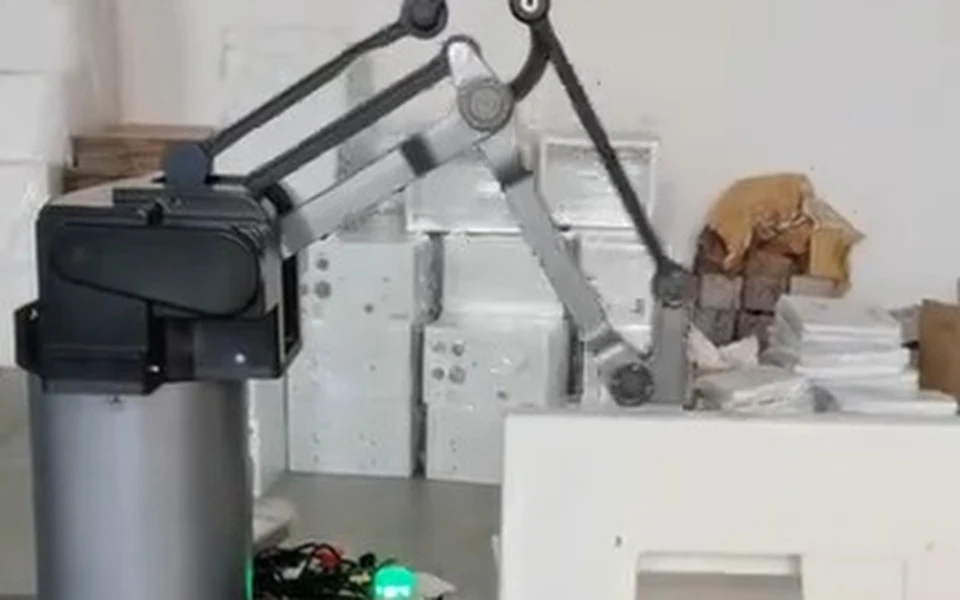
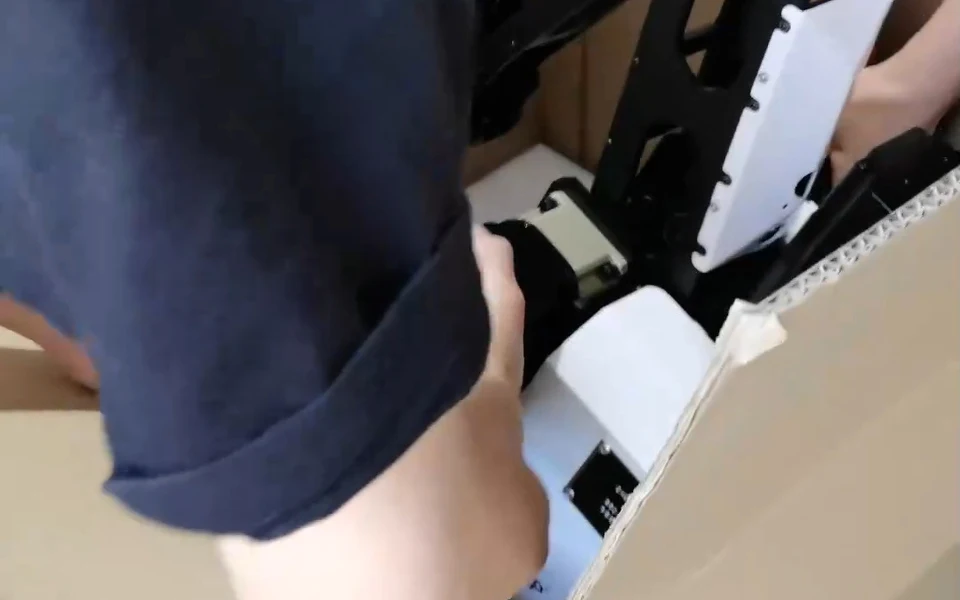
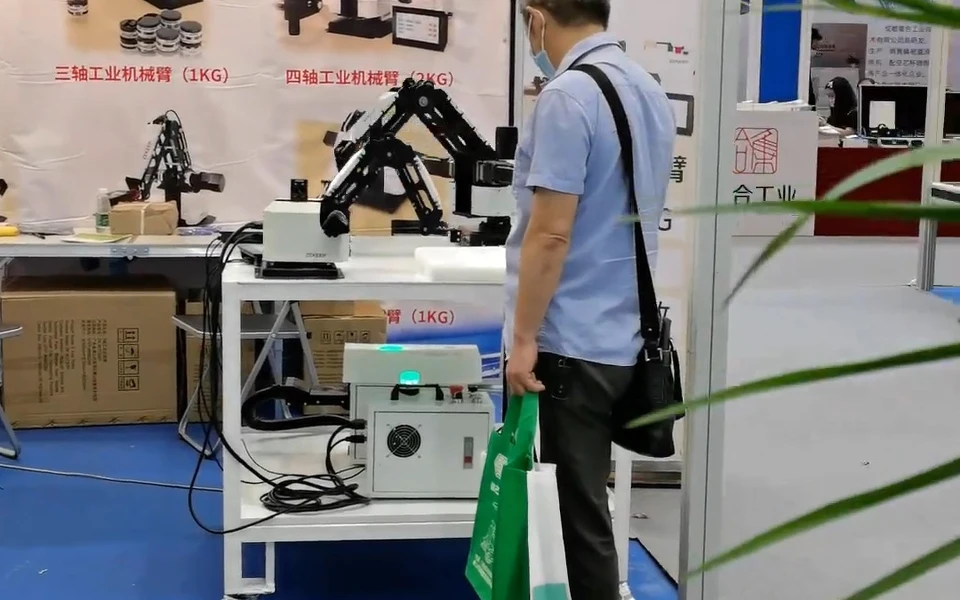
ZEKEEP published two separate complete-machine and motion displays in November and December 2023. One includes a grey base, close views of link connections and several machines arranged on a table. Another uses a before/after split screen with an arm, supporting frame and control cabinet. Together, these different views connect mechanical relationships, robot posture and surrounding equipment with practical operating requirements.
Connections must work at the tool end
The tool position results from the combined base, links, joints and mounting connections. Compact construction can help installation, but tool length, load direction and access for inspection matter too. Close views of links and connections move the discussion beyond the outline of the machine to the interfaces that affect use.
Engineering checks may examine connection security, clearance and structural behaviour in extended postures under the applicable load. A longer tool can make changes at a connection more apparent at the working point. The link between development and application therefore needs more than a payload number: mounting, centre of gravity and the intended motion belong in the same assessment.
Organize movement around a process
A motion comparison provides an opportunity to observe posture, but a smoother-looking display differs from a performance improvement established under defined conditions. Applying the product requires checks of reversals, path transitions, acceleration and settling with the relevant tool and load. A short presentation cannot establish accuracy, speed or service-life results.
This connects directly to customer commissioning. An unloaded program may require different settings after a longer tool is installed. The approach to a process area may need a different motion strategy from unobstructed travel. Gripper actions and equipment states then have to join the path to complete a material handoff.
Current 3060H three-axis and 4060H four-axis servo robots provide motion options including point, linear and circular movement, with teach-pendant and hand-guided teaching. These offer ways to develop a task; the process still determines its path and sequence. A teaching method does not replace complete application engineering.
Extend machine design into the installation
Frames, supports and the control cabinet show why the product boundary extends beyond the arm. Mounting height can change how a tool enters a process zone. Insufficient cable or hose clearance can restrict a path that otherwise appears reachable. A manufacturer retaining existing equipment must consider openings, tool projection and maintenance routes together.
An initial layout can include the robot, tool, receiving fixture and surrounding equipment, checking the complete approach and withdrawal. Electrical connections need understandable identification and access, while cabinet position must accommodate operation, maintenance and protection. Resolving these conditions before installation makes project changes easier to manage than repeatedly moving equipment afterwards.
Connect accumulated product work with a present task
These historical displays give a practical view of the relationship between ZEKEEP's lightweight mechanisms, control operation and surrounding equipment. For a present manufacturing requirement, current model information and actual samples can bring tool mounting, motion conditions and the site layout into one configuration discussion.
The payload and complete-motion selection guide develops the tooling and dynamic considerations. For machine tending, positioning or compact automation, share the tool assembly, component, required orientations, machine layout and intended cycle when discussing the combined structural, motion and installation requirements with ZEKEEP. Keeping the customer's use in the engineering discussion helps turn compact design into a suitable workstation arrangement.